
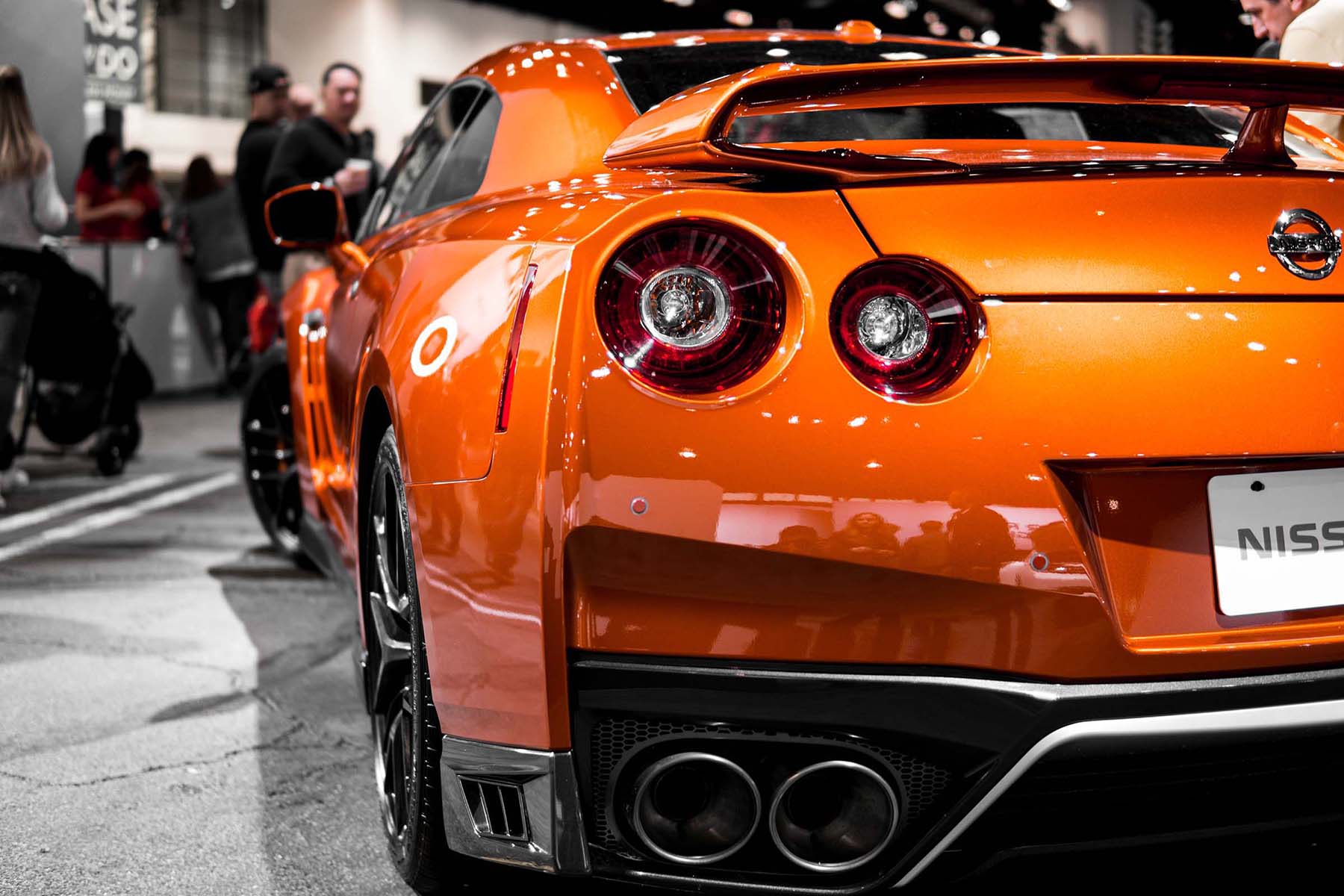
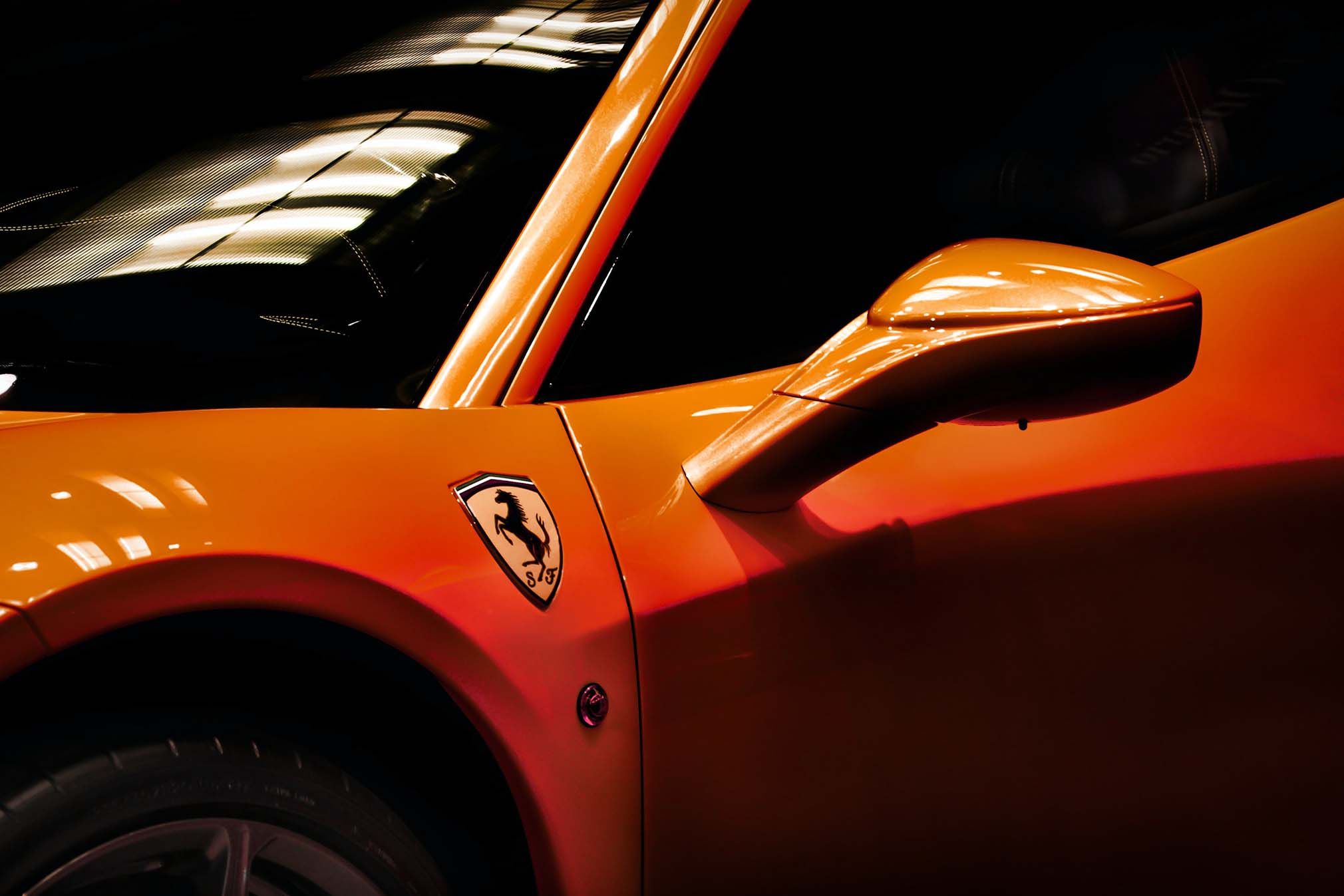
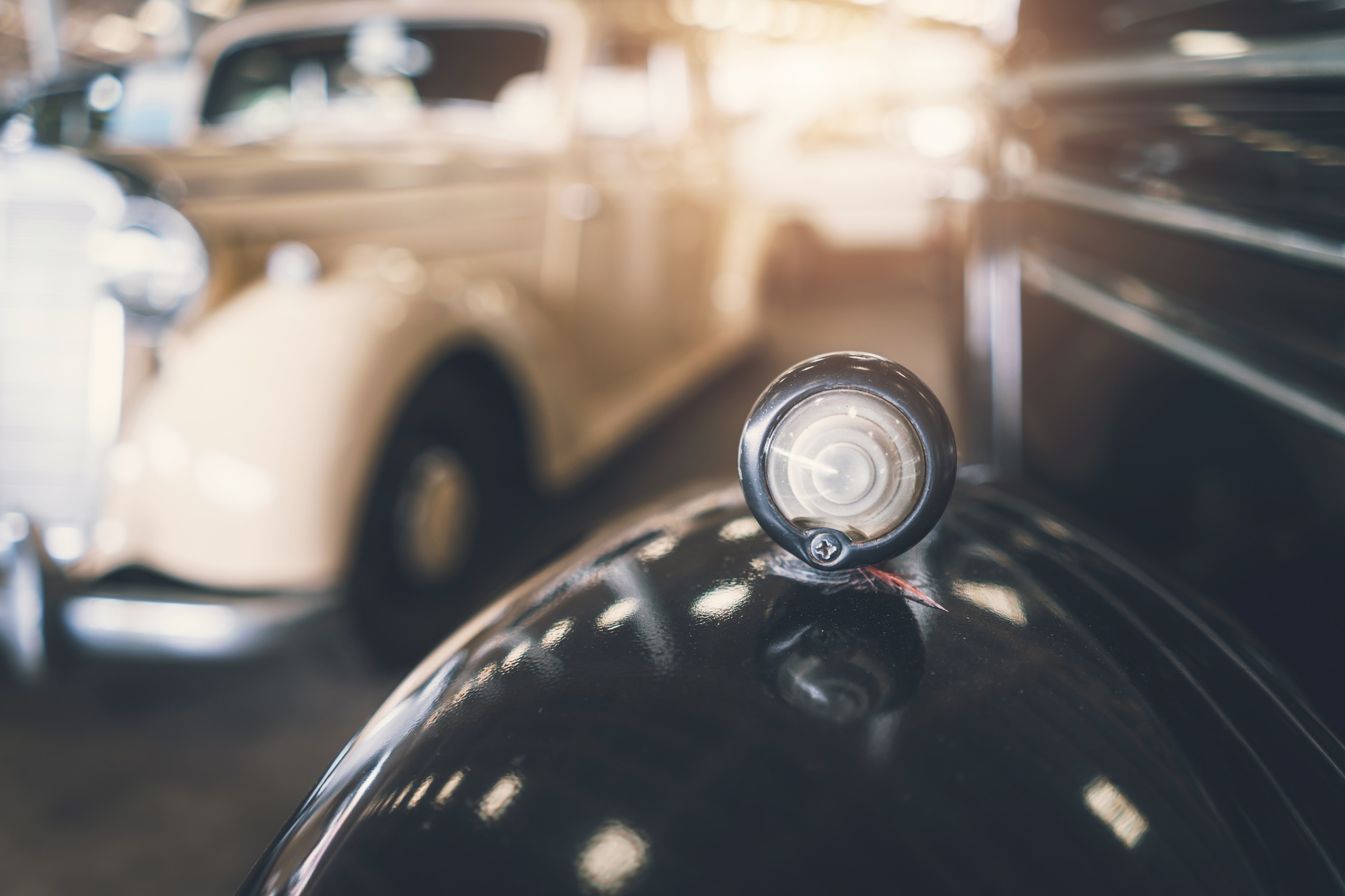
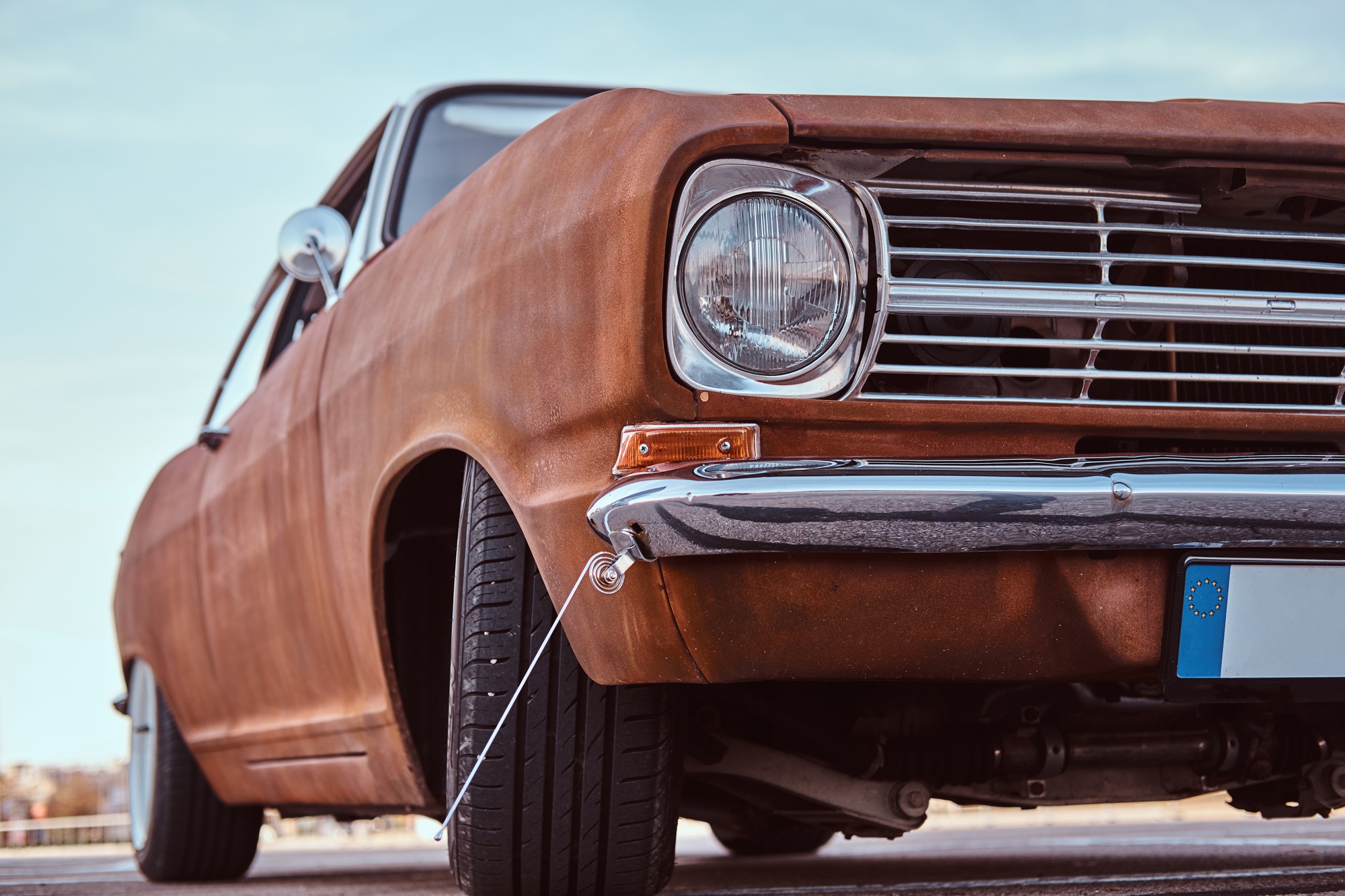
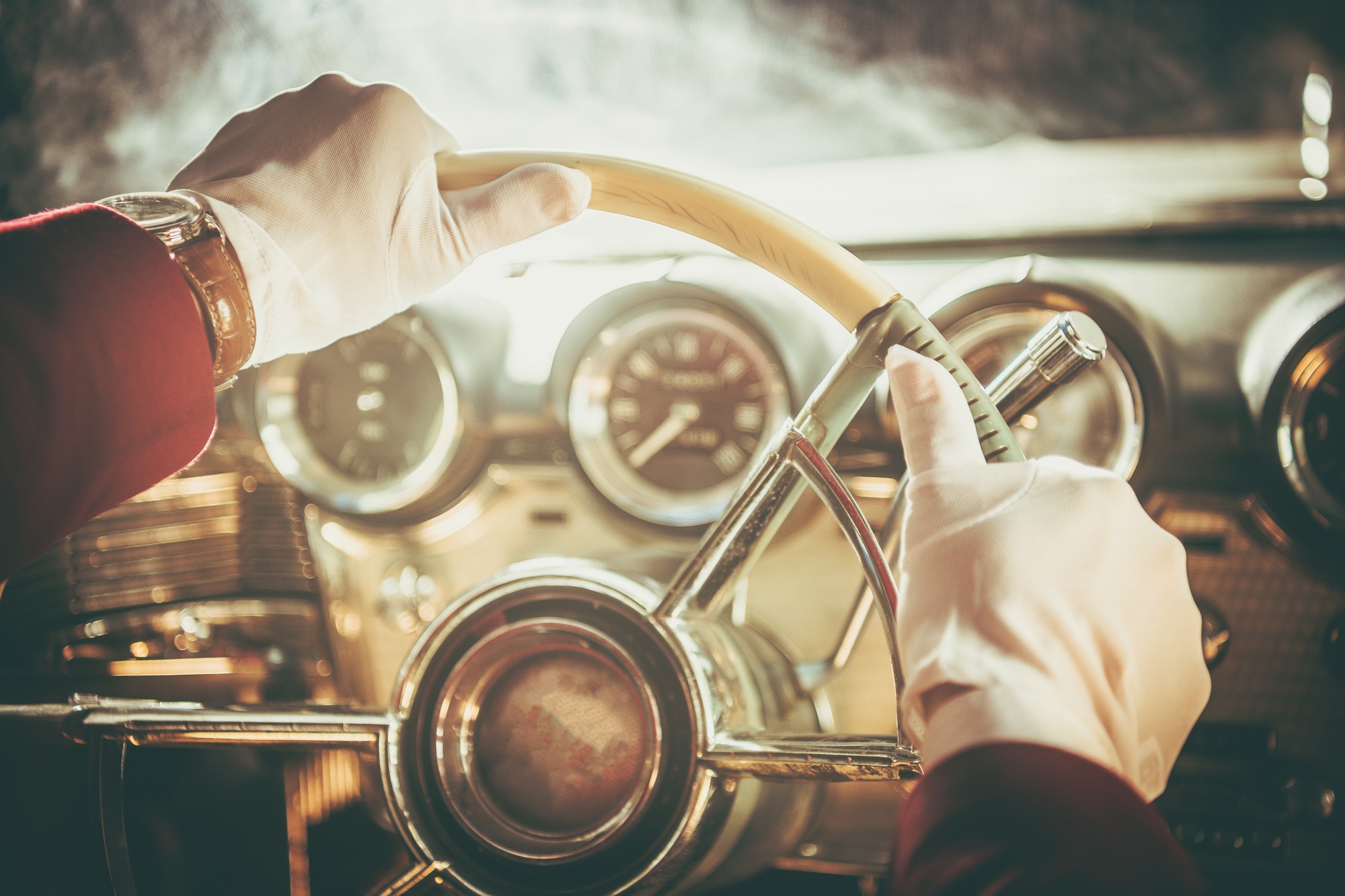
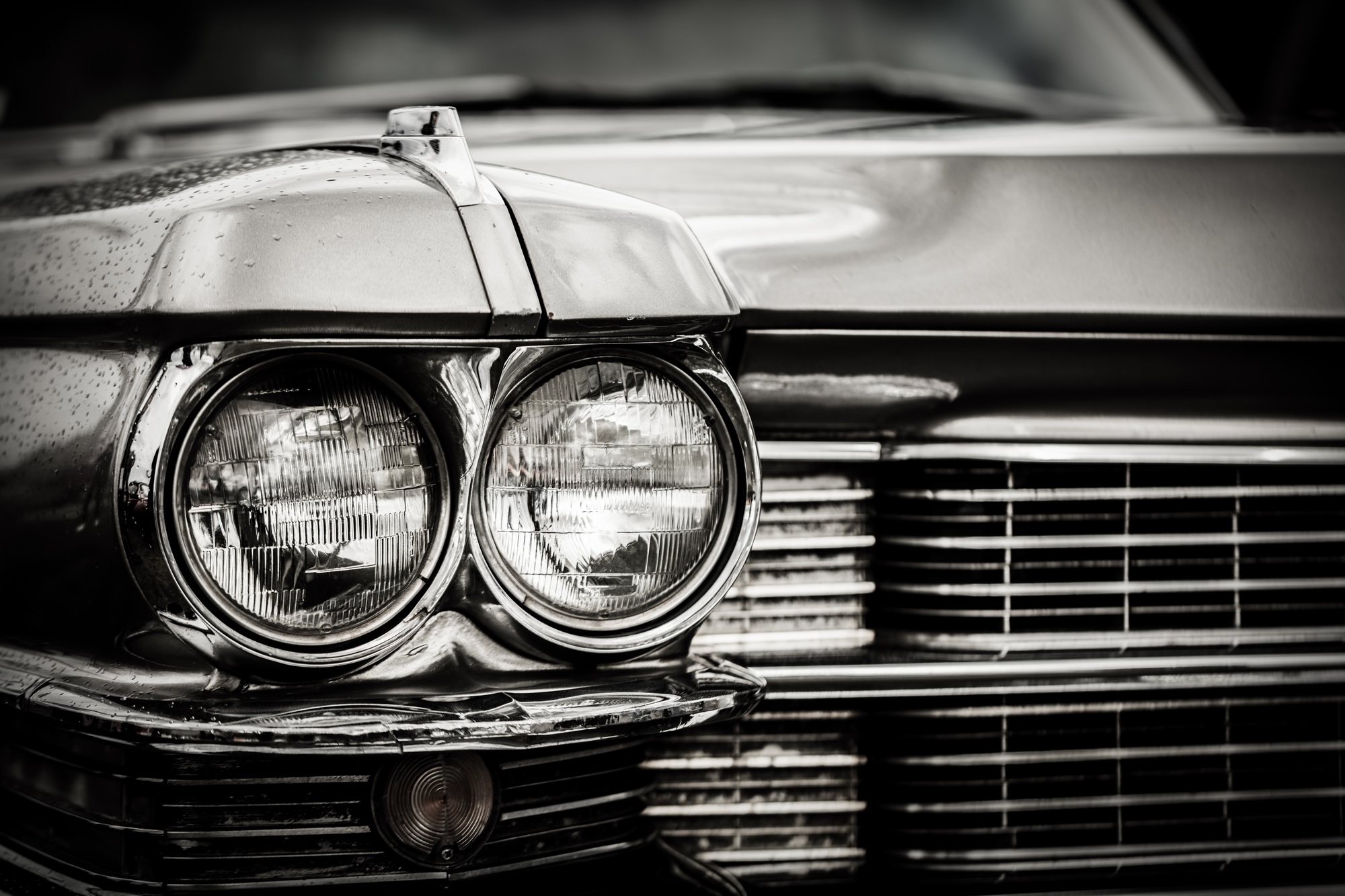
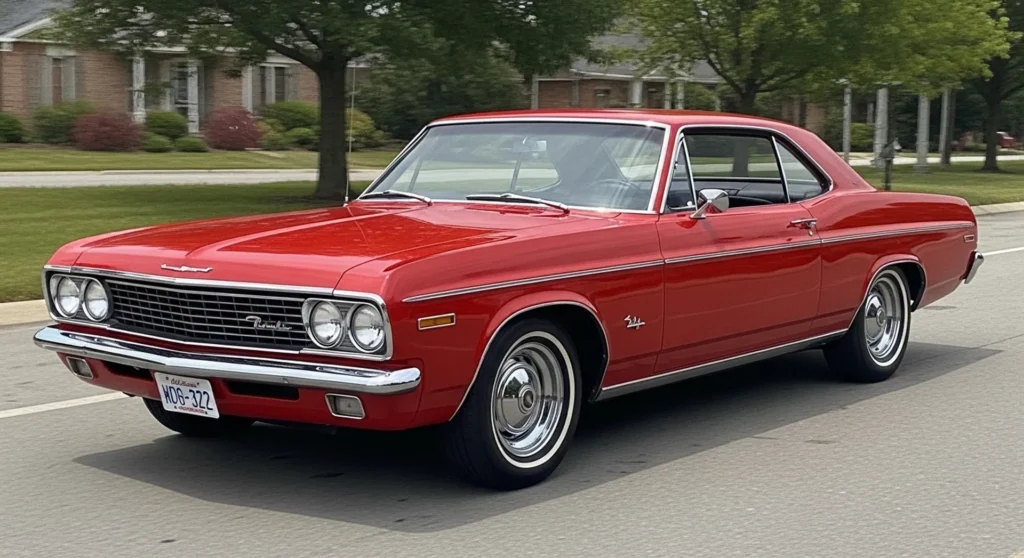
Cars have always represented more than transportation. They symbolize freedom, innovation, identity, and emotion. Automotive art exists because vehicles carry stories that deserve to be preserved visually. From classic muscle cars to historic race machines, artwork inspired by automobiles connects people to moments, memories, and eras that shaped car culture.
For enthusiasts and collectors, automotive artwork transforms mechanical objects into personal and cultural expressions that live far beyond the road.
The Emotional Connection Between Cars and Art
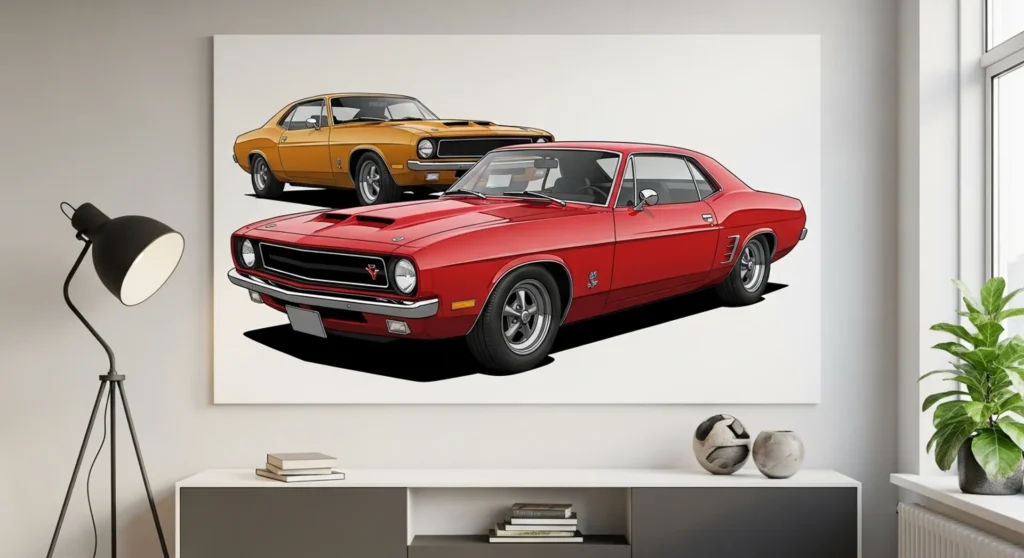
Car culture is deeply emotional. A single vehicle can represent a childhood memory, a lifelong project, or a defining life moment. Automotive-inspired artwork captures these emotions in ways that photography and technical descriptions often cannot.
Paintings, illustrations, and mixed-media pieces translate sound, speed, and craftsmanship into visual storytelling that resonates with enthusiasts.
Cars as Symbols of Identity
Vehicles often reflect personality and values. Muscle cars may represent power and rebellion, while classic European models suggest elegance and heritage. Car art allows enthusiasts to express that identity visually in homes, garages, and offices.
This connection explains why collectors often seek artwork that mirrors their personal automotive journey.
Personal Stories in Automotive Artwork
Commissioned automotive pieces frequently depict personal vehicles, restorations, or race cars with sentimental value. These works go beyond decoration, becoming visual records of individual history.
Custom artwork often carries emotional significance that increases over time.
The Role of Nostalgia in Car Culture
Nostalgia is a powerful force in automotive communities. Many artists focus on classic cars, historic race scenes, and iconic automotive eras that defined generations.
These images reconnect viewers with a time when cars were louder, simpler, and more mechanical.
Preserving Automotive History Through Art
Automotive artwork helps preserve vehicles and moments that may no longer exist physically. Artwork becomes a visual archive, keeping legendary designs alive for future generations.
Institutions such as the Petersen Automotive Museum and the Automotive Hall of Fame highlight the importance of preserving automotive heritage through both vehicles and visual culture.
The Craftsmanship Behind Automotive Art
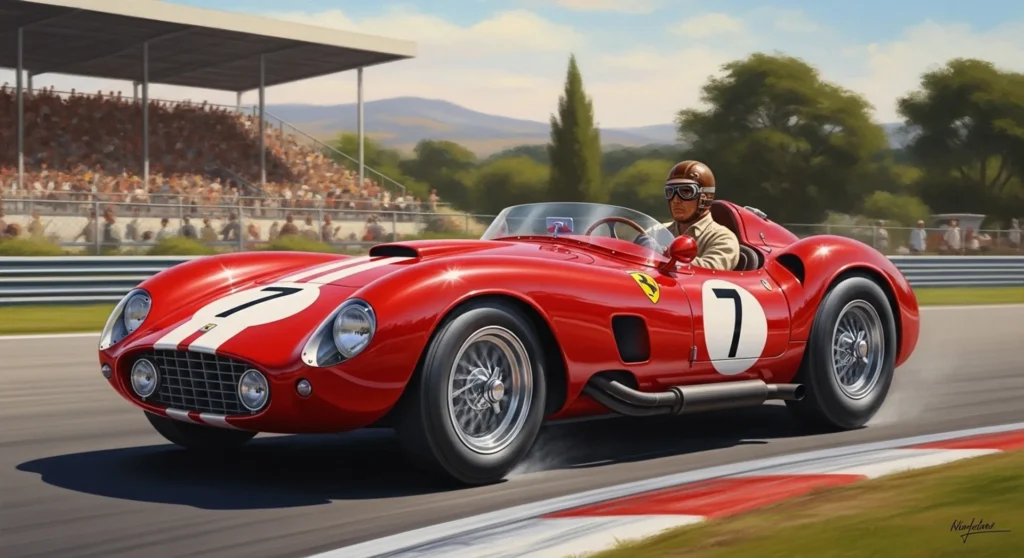
Creating compelling automotive art requires technical accuracy and artistic interpretation. Artists must understand proportion, reflection, perspective, and mechanical detail while still conveying emotion and movement.
Every curve, highlight, and shadow contributes to how a vehicle’s character is perceived.
Attention to Detail and Authenticity
Enthusiasts quickly recognize inaccuracies in automotive artwork. Successful pieces balance creativity with technical precision, ensuring that proportions, body lines, and design details remain faithful.
This level of detail builds trust with collectors and strengthens the emotional connection.
Capturing Motion and Energy
Even static artwork often suggests motion through angled perspectives, dramatic lighting, and dynamic backgrounds. This approach reflects the speed and excitement that define car culture.
Motion-focused compositions make artwork feel alive rather than static.
Styles and Mediums in Automotive Art
Automotive art spans many styles, from realistic oil paintings to stylized digital illustrations. Some artists focus on dramatic realism, while others embrace bold color palettes or minimalist line work.
These stylistic choices allow collectors to find artwork that matches their taste and space.
Traditional and Digital Approaches
Traditional media such as oil, acrylic, and pencil offer texture and depth, while digital techniques provide precision and modern aesthetics.
Both methods contribute meaningfully to today’s automotive art landscape.
Why Automotive Art Belongs in Enthusiast Spaces
Garages, studios, and personal offices have become common display spaces for car-inspired artwork. These environments reflect passion and creativity rather than simple utility.
Displaying automotive art turns functional spaces into personal galleries.
Building a Personal Automotive Collection
Many collectors begin with a single piece and gradually build a collection around favorite vehicles, eras, or racing themes.
Curated collections often evolve alongside an enthusiast’s automotive interests.
Automotive art bridges the gap between machines and emotion. It preserves memories, celebrates design, and honors the culture that surrounds automobiles.
Whether displayed as a centerpiece or part of a growing collection, automotive artwork continues to capture the soul of car culture and the passion that fuels it.
Explore related pieces in our automotive art collections, view custom commission options, or browse our classic car artwork to discover pieces that reflect your own automotive story.