

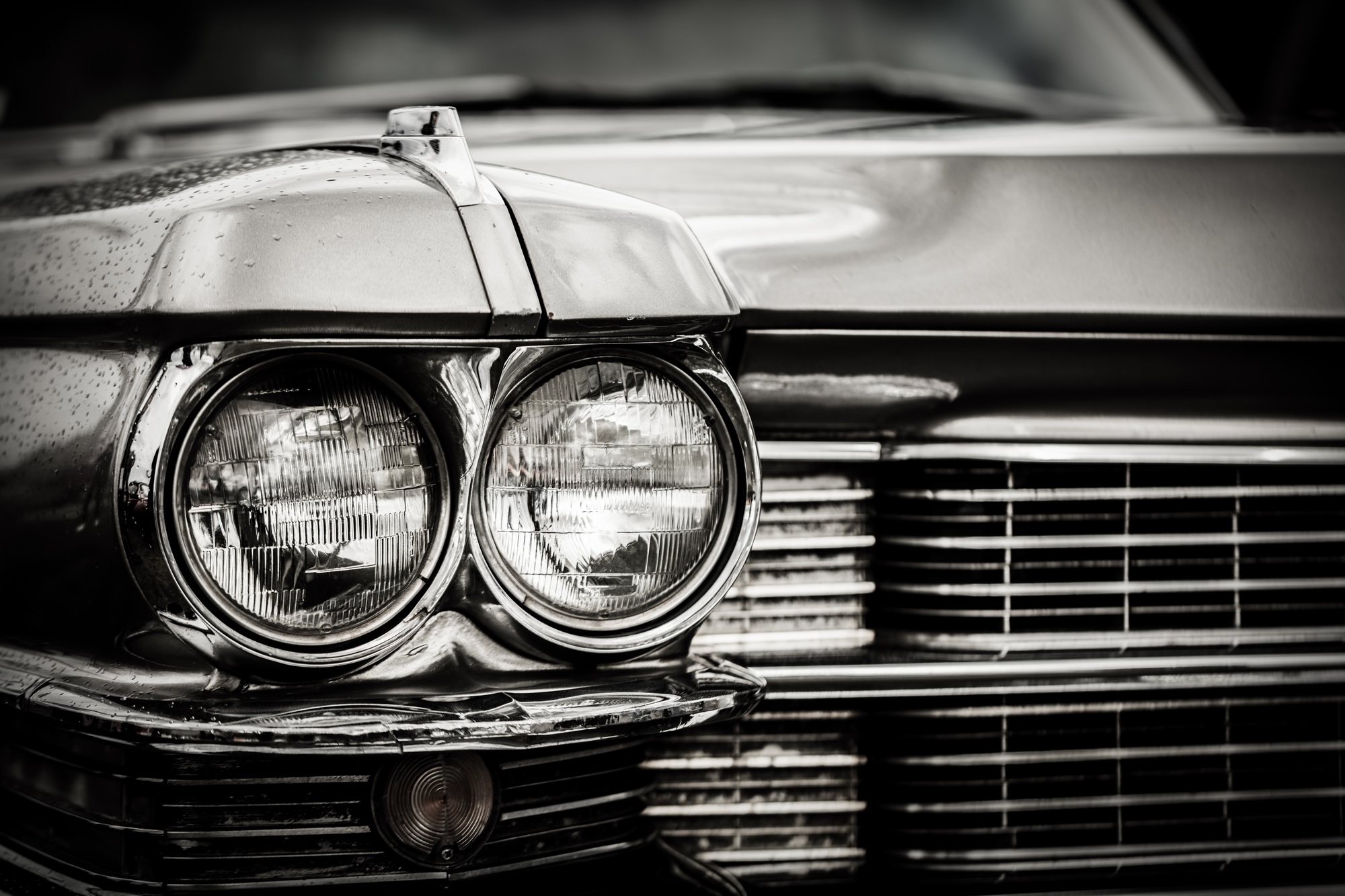

Walk into a well-designed automotive museum and it quickly becomes clear that the experience is about more than looking at cars. Vehicles can be positioned beneath carefully controlled lighting, surrounded by historical photographs, presented alongside design sketches, or displayed against architectural backdrops that encourage visitors to study their shapes and details. In these settings, automobiles become objects of visual culture as well as examples of engineering.
Automotive museums play an important role in showing people how cars can be understood through design, history, technology, craftsmanship, and art. The way a vehicle is selected, positioned, illuminated, and explained can dramatically change how visitors perceive it. A car that might appear ordinary on the street can become a fascinating museum object when its historical and artistic context is revealed.
This relationship between automobiles and art has been recognized by major cultural institutions. The Smithsonian American Art Museum has explored the role of automobiles in American art and culture through exhibitions that use cars and automotive-related objects to examine broader ideas about design, society, and visual expression. Explore the Smithsonian’s Automobile and American Art exhibition.
Why Automotive Museums Matter to Art and Design
Automotive museums occupy an interesting position between transportation museums, design museums, history museums, and cultural institutions. Their collections can include complete automobiles, engines, sketches, photographs, advertisements, badges, racing equipment, and other objects connected to vehicle culture.
Each object can tell a different story. A car can demonstrate a particular approach to proportion and styling. A design sketch can reveal how an idea developed before production. A historic photograph can show how a vehicle was used and perceived when it was new.
When these objects are presented together, visitors can understand the automobile from multiple perspectives. Instead of simply asking whether a car is fast or practical, they can consider why it looks the way it does, what influenced its design, and how people responded to it.
The Museum As A Visual Storyteller
Museums use exhibition design to create narratives. The arrangement of objects can establish a beginning, middle, and end, allowing visitors to follow a particular theme or period.
An exhibition about automotive design might begin with early vehicles and gradually introduce new materials, proportions, technologies, and styling philosophies. Another exhibition might focus on a particular designer, manufacturer, country, or design movement.
This storytelling approach makes the museum experience similar to creating a piece of automotive artwork. The individual vehicles are important, but the relationship between them creates the larger story.
The Role of Curators in Automotive Exhibitions
 Curators help determine which vehicles and objects should be displayed and how they should be interpreted. Their decisions can influence what visitors notice first and what ideas they take away from an exhibition.
A curator may select vehicles because they represent an important design milestone, demonstrate an unusual engineering solution, or illustrate a particular cultural period. The vehicle may then be displayed with photographs, sketches, historical information, or related objects that provide additional context.
The Petersen Automotive Museum provides a useful contemporary example. Its current exhibition program includes displays covering subjects such as record-setting automobiles, Mercedes-Benz history, automotive design, motorcycles, tires, film and television vehicles, and American cars influenced by Italian design. Explore the current exhibitions at the Petersen Automotive Museum.
Lighting Can Change How A Car Is Perceived
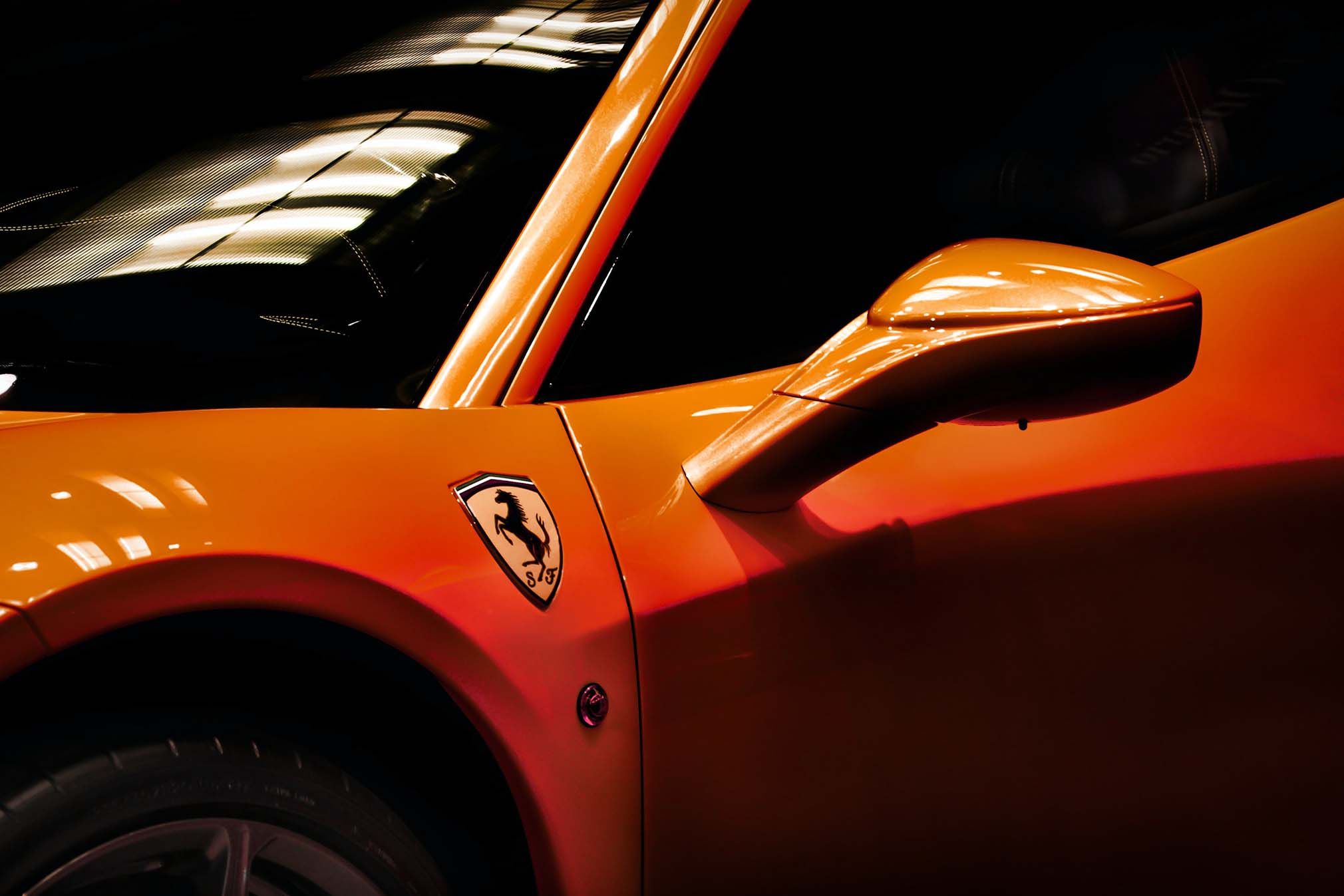
Lighting is one of the most important tools available to museum exhibition designers. The right lighting can emphasize the curve of a fender, the texture of an interior, the shine of chrome, or the subtle transition between different body panels.
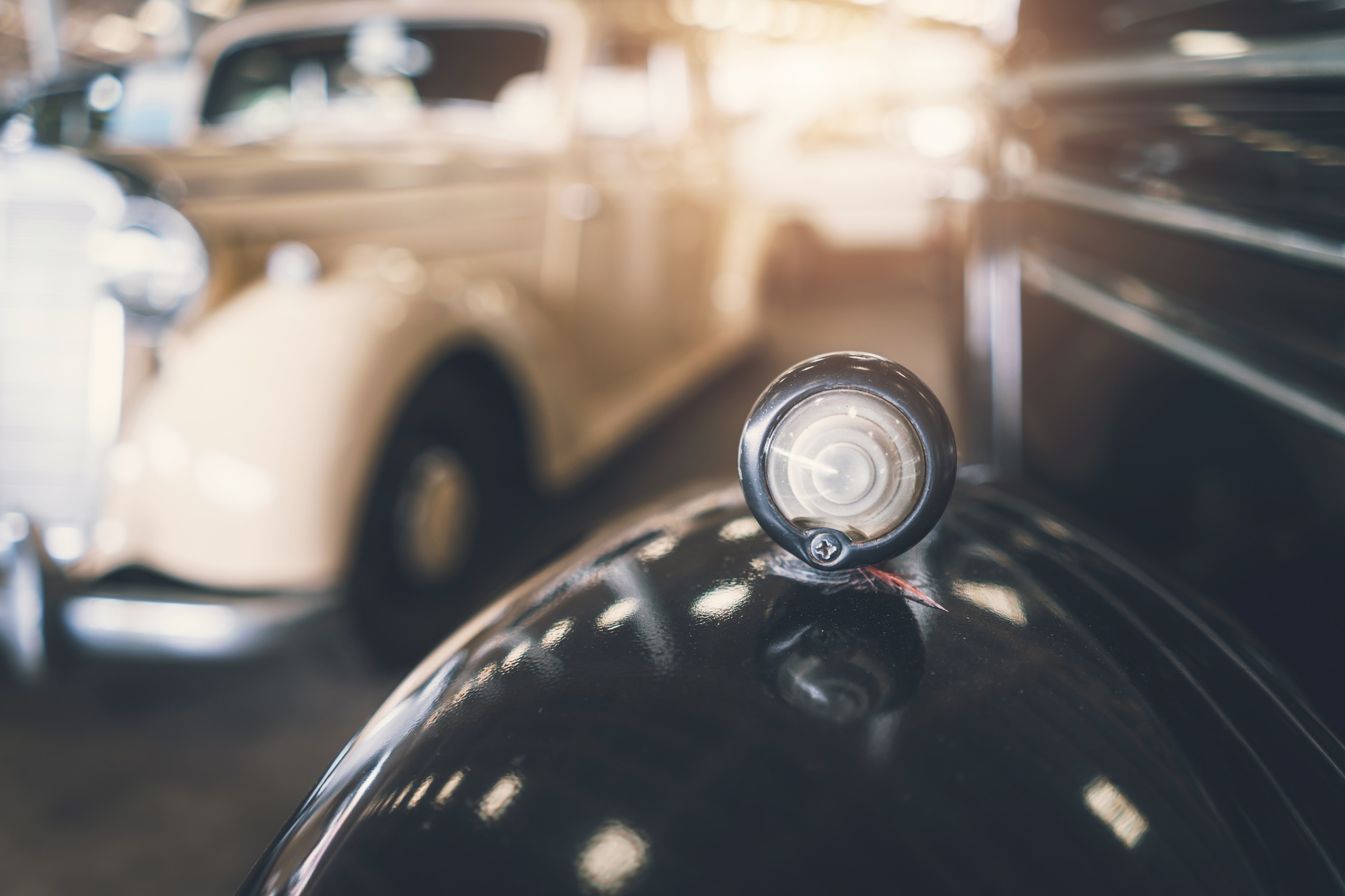
Classic automobiles often contain highly reflective surfaces. Chrome bumpers, polished wheels, glass, painted metal, and decorative trim can all respond differently to light. Exhibition designers can use controlled illumination to reveal these details without overwhelming the viewer.
This is similar to the principles used in automotive photography, where lighting and reflections can transform the appearance of a vehicle.
When Car Design Becomes Museum Art
Some automobiles are displayed in museums because their design represents a significant moment in automotive history. Their importance may come from their proportions, materials, craftsmanship, technology, or influence on later vehicles.
Design-focused exhibitions can make this especially apparent. Petersen’s current Transatlantic Lines: American Cars by Italian Masters exhibition examines the relationship between American and Italian automotive design. According to the museum, the exhibition explores how American automobiles influenced Italian coachbuilders and how Italian design subsequently influenced American styling. Learn more about Transatlantic Lines.
This type of exhibition demonstrates how an automobile can be studied in much the same way as other designed objects. Visitors can examine proportions, surfaces, materials, craftsmanship, and the cultural influences behind the finished product.
Design Details Become Easier To Appreciate
One benefit of museum presentation is that visitors have time to examine details. A car that normally passes by in seconds can be viewed from multiple angles and studied without the distractions of everyday traffic.
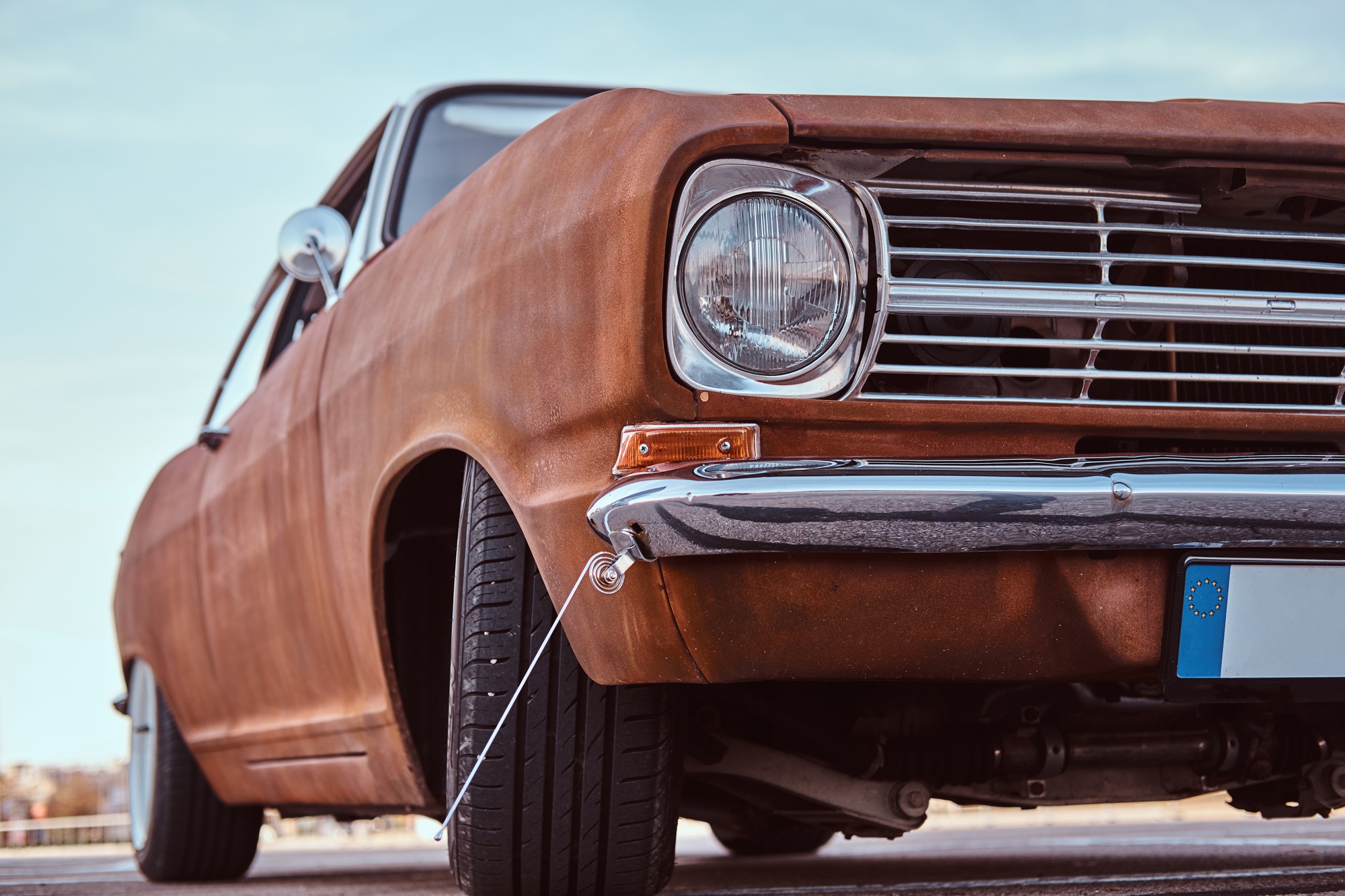
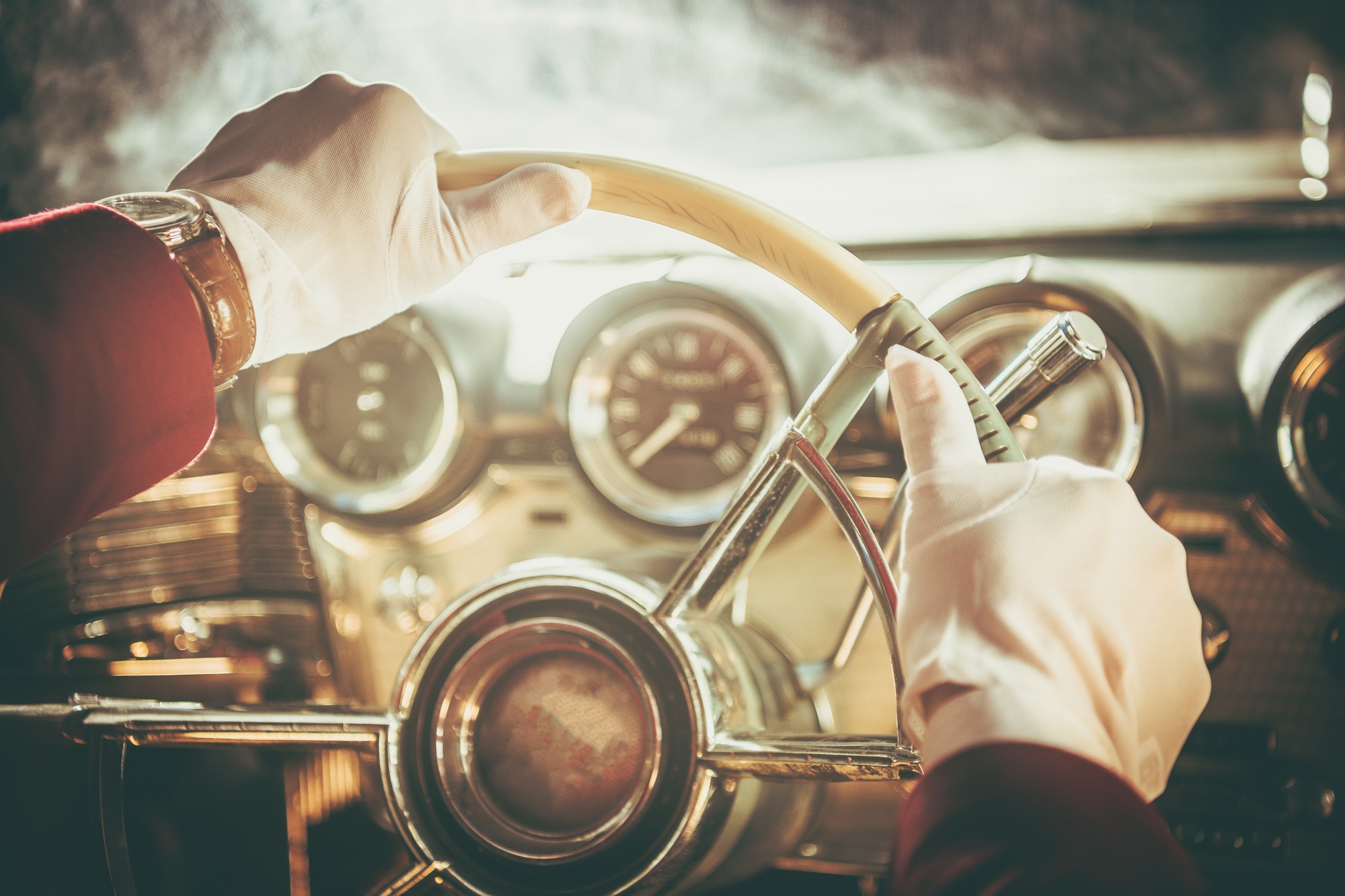
Visitors can look closely at headlights, grilles, wheels, body contours, dashboards, seats, steering wheels, and other components. These details can reveal the design philosophy of a particular period.
This connects with the subject explored in our article about automotive typography and badges. Small design elements can contribute significantly to a vehicle’s overall visual identity.
Preservation Is Part Of The Artistic Experience
Preserving an automobile is not simply about keeping an old vehicle in storage. Museums must consider the condition of materials, environmental conditions, documentation, display requirements, and long-term conservation.
Paint, leather, rubber, plastics, metal, wood, glass, and other materials can age differently. Proper preservation helps museums maintain the physical qualities that make historic automobiles valuable for future generations.
Photography and digital documentation can also support preservation. Detailed images can record the condition and appearance of vehicles while providing researchers and enthusiasts with another way to study them.
In this respect, museum collections complement the work of automotive artists. Artists interpret automobiles creatively, while museums preserve physical examples and historical records that provide inspiration for future artwork.
Why Historical Context Changes The Way We See Cars
A vehicle displayed without context can be attractive, but historical information can make it much more meaningful. Knowing when a car was designed, what influenced its styling, and how it was used can change the way a visitor interprets its appearance.
For example, a vehicle may represent a major change in consumer preferences, manufacturing techniques, transportation technology, or cultural attitudes. Its design becomes evidence of the period in which it was created.
This is one reason automotive museums are valuable resources for artists. They provide access to real examples of the shapes, colors, materials, and details that define different eras.
Automotive Museums Inspire New Generations of Designers
Museums are not only places for looking backward. They can also influence the future. Students, designers, artists, photographers, and enthusiasts can study historic vehicles to understand how earlier designers solved problems and developed new visual languages.
ArtCenter College of Design’s 2026 Design Invitational provides a good example of this connection between historic and contemporary design. The event presented more than 65 vehicles and other forms of transportation, including historic automobiles and newer designs, while placing special emphasis on Italian design. Learn more about ArtCenter’s 2026 Design Invitational.
Events like this demonstrate how studying older automobiles can become part of a broader conversation about transportation design. Designers can look at what came before while considering where vehicle design might go next.
The Connection Between Museums And Automotive Art
 Automotive museums and automotive artists share a common interest in preserving and communicating the visual character of vehicles. The difference is primarily in the method.
A museum preserves and interprets physical objects. An artist can reinterpret those objects through painting, illustration, photography, sculpture, or digital media.
This creates a natural relationship between museums and automotive artwork. A museum exhibition can inspire an artist to create a new interpretation of a classic vehicle. In turn, artwork can encourage people who are unfamiliar with automotive history to become interested in the original vehicles.
The connection is particularly strong when artists focus on details that museums carefully preserve. A badge, grille, wheel, dashboard, or body contour can become the subject of an artwork that encourages viewers to look at the original design more closely.
Why Exhibition Design Matters
The physical arrangement of an automotive exhibition can influence the visitor’s experience just as much as the vehicles themselves. Spacing, lighting, wall treatments, flooring, photography, and supporting objects can establish a specific mood.
A minimalist gallery may encourage visitors to focus entirely on vehicle proportions. A historical exhibition may surround cars with photographs and artifacts to recreate a particular period. A design exhibition may place several vehicles together so visitors can compare their shapes and styling approaches.
Modern museums are also experimenting with interactive technology. Digital displays, multimedia presentations, virtual experiences, and detailed archival material can give visitors additional ways to understand the vehicles they are seeing.
From Museum Display To Personal Inspiration
Visitors do not have to be professional designers or collectors to benefit from an automotive museum. Simply paying attention to how vehicles are displayed can change the way someone looks at cars.
A visitor might notice the relationship between a car’s body and its wheels, the way chrome interacts with paint, or how a designer used simple shapes to create a distinctive silhouette. Those observations can influence everything from photography to automotive illustration and home decor.
For enthusiasts interested in displaying automotive artwork themselves, our guide to automotive art prints in home and garage decor explores another way automotive design can become part of a personal space.
The Future Of Automotive Museums And Art
Automotive museums are continuing to expand the ways they present vehicles. Current exhibitions show that museums can explore automotive history through design, art, technology, racing, popular culture, and broader social themes.
As automobiles continue to change, museums will also have new stories to preserve. Electric vehicles, advanced digital interfaces, new materials, autonomous transportation, and changing approaches to vehicle ownership will eventually become part of automotive history.
The result may be a broader definition of automotive art. Future museum exhibitions could place today’s vehicles alongside design sketches, digital models, photography, interactive media, and other forms of creative expression.
Final Thoughts
Automotive museums demonstrate that cars can be appreciated as much for their visual and cultural significance as for their mechanical function. Through careful preservation, exhibition design, historical research, and creative interpretation, museums transform vehicles into objects that can be studied and appreciated like works of art.
For automotive enthusiasts, these exhibitions offer an opportunity to look beyond horsepower and performance. They reveal the details, ideas, materials, and cultural influences that shaped the automobiles people remember.
For automotive artists, museums provide an endless source of inspiration. A classic vehicle can become the subject of a painting, photograph, illustration, sculpture, or digital composition. The more closely its design is studied, the more possibilities emerge.
Ultimately, the museum experience reminds us that automobiles are part of a much larger visual story. They reflect the creativity of designers, the craftsmanship of builders, the culture of their time, and the imagination of the people who continue to celebrate them.
That is what makes automotive museums so valuable to the world of automotive art: they preserve the real objects that inspire the stories, images, and creative interpretations that keep car culture moving forward.