
Automobiles have always been more than machines. They can represent freedom, craftsmanship, technology, status, memories, and personal expression. Automotive photography captures those qualities and turns them into visual stories. A well-composed photograph can make a car appear powerful, elegant, mysterious, nostalgic, or even futuristic without changing the vehicle itself.
Automotive photography has also become an important part of automotive art. Photographers use lighting, composition, reflections, perspective, backgrounds, and timing to present vehicles in ways that go far beyond ordinary snapshots. The result can look as carefully constructed as a painting or illustration.
The relationship between cars and photography has existed for more than a century. The Smithsonian’s description of the exhibition and book Autophoto: Cars & Photography, 1900 to Now describes the longstanding relationship between automobiles and photography and explains how cars gave photographers new subjects and new ways to explore landscapes, roads, reflections, and space. Explore the Smithsonian’s record of Autophoto.
Why Photography Became Part of Automotive Culture
As automobiles became more common, photography provided a natural way to document them. Early photographs showed new vehicles, road trips, races, dealerships, accidents, families, and changing city streets. Over time, photographs became much more than records of transportation. They became records of automotive culture.
Historic photographs can show how cars looked in their original environments, how people interacted with them, and how vehicle design changed from one generation to another. The Library of Congress, for example, preserves extensive photographic records related to American automobiles, including photographs of early vehicles from the late nineteenth and early twentieth centuries. View the Library of Congress photograph of an early automobile on Pennsylvania Avenue.
For automotive artists and enthusiasts, these photographs provide an important connection to the past. A classic car photograph can preserve not only the appearance of a vehicle but also the atmosphere surrounding it.
From Documentation To Artistic Expression
 There is a major difference between photographing a car for documentation and photographing a car as art. Documentation focuses primarily on accurately recording the vehicle. Automotive art photography focuses on creating a mood and visual experience.
An artistic automotive photographer may choose an unusual camera angle, wait for a specific moment of sunlight, or position the car against a carefully selected background. The photographer might intentionally emphasize one section of the vehicle instead of showing the entire automobile.
This approach turns photography into another form of automotive storytelling. The car becomes the subject, while the surrounding environment helps establish its personality.
The Importance of Composition
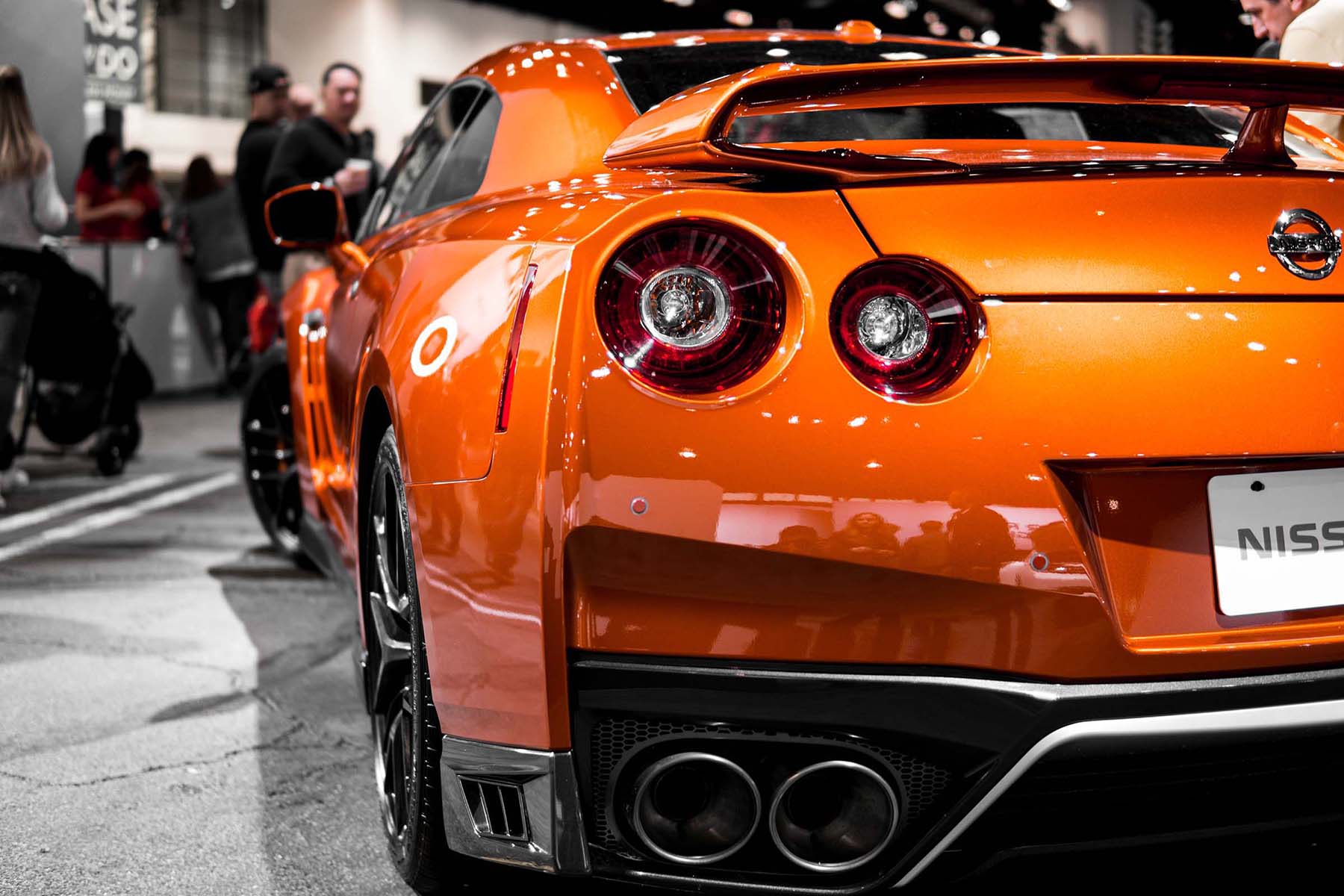
Composition is one of the most important elements of automotive photography. Where the vehicle sits within the frame can dramatically change the way an image feels. A low camera angle can make a car appear powerful and imposing, while a higher perspective can reveal its proportions and overall shape.
Photographers also use leading lines to guide the viewer’s attention. Roads, parking structures, buildings, shadows, and even the vehicle’s own body lines can direct the eye toward the automobile.
Negative space can also be valuable. Leaving empty space around a vehicle can create a sense of elegance and simplicity. This approach works particularly well with luxury cars and minimalist automotive photography.
Showing The Car From A Different Perspective
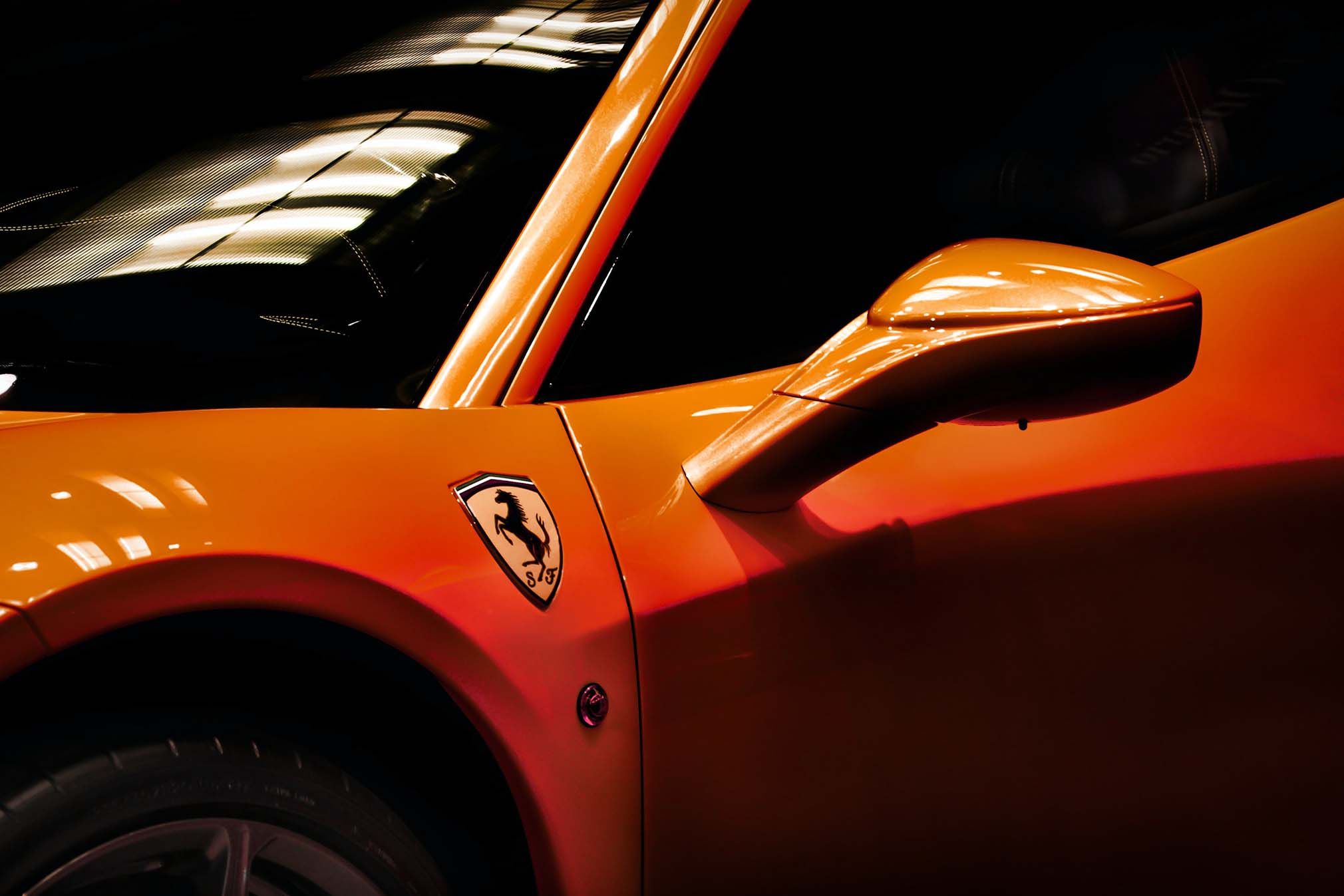
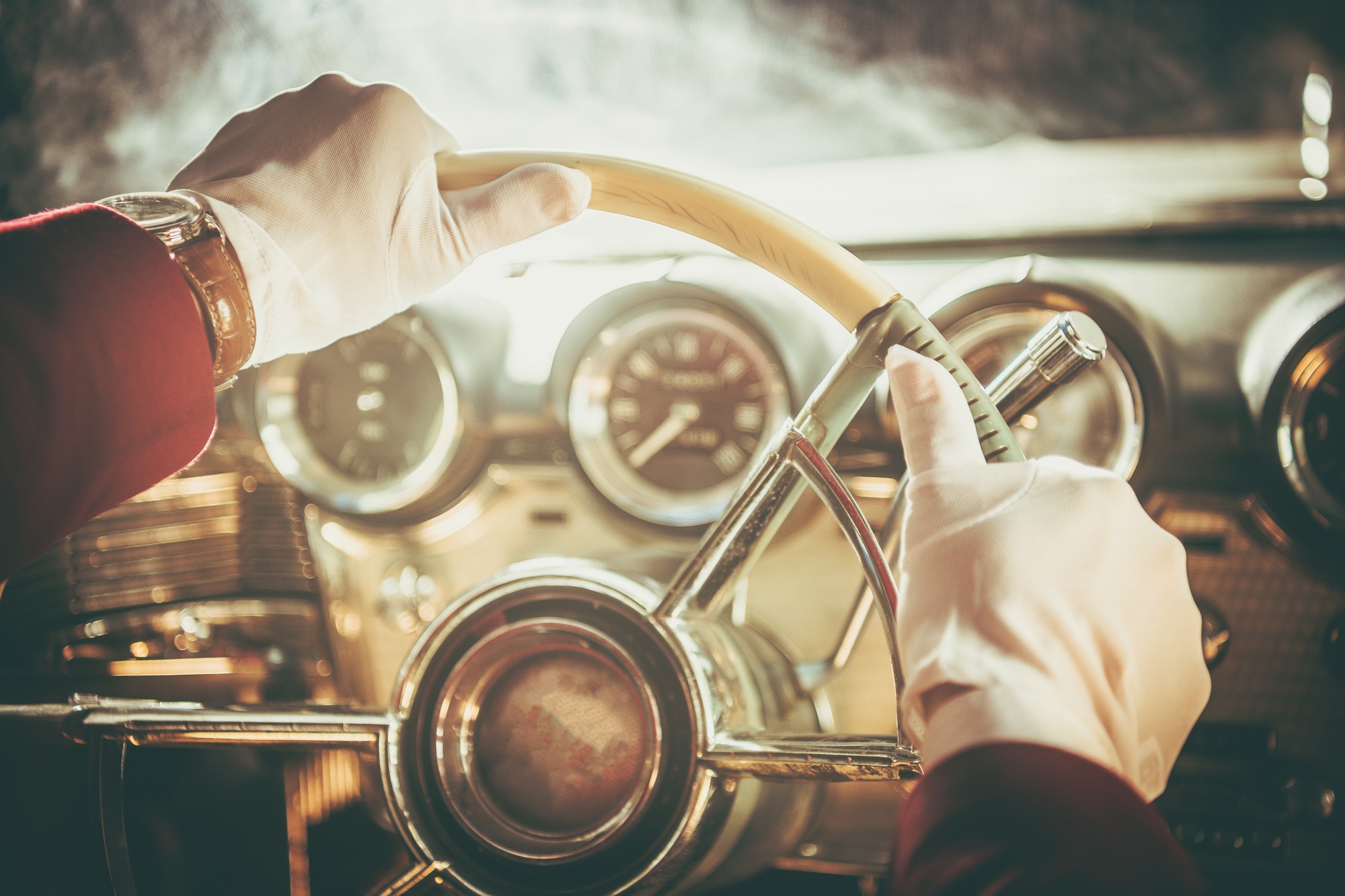
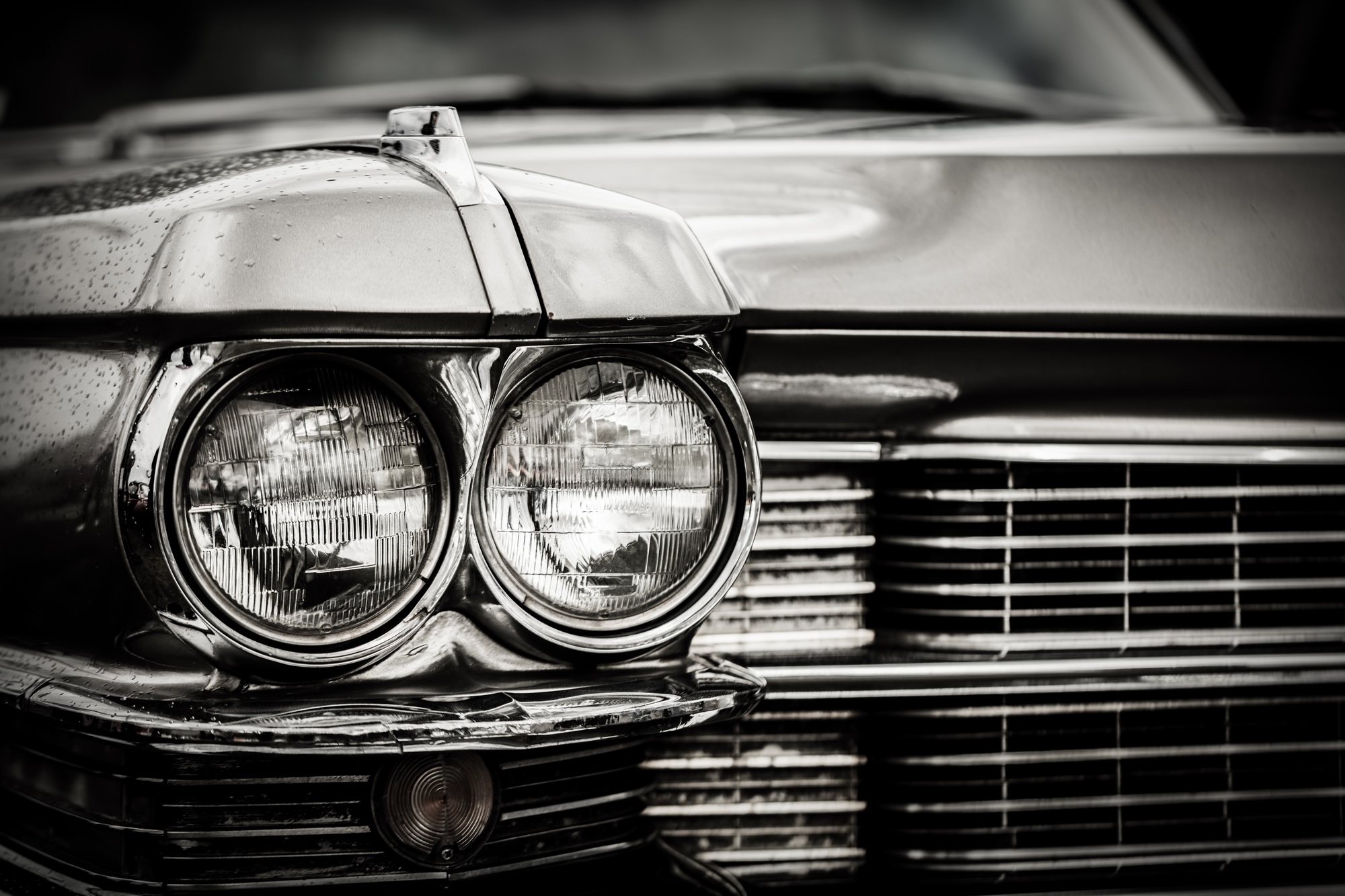
One of the advantages of photography is the ability to reveal details that may not immediately stand out when looking at a vehicle in person. A close-up of a wheel, headlight, grille, steering wheel, or body crease can become a complete photographic subject.
This idea connects with the approach explored in our article about automotive typography and vehicle badges. Small details can carry enormous visual significance when they are isolated and photographed carefully.
Macro and close-up photography can reveal textures, reflections, stitching, metal finishes, paint imperfections, and other details that help communicate the craftsmanship behind a vehicle.
The Importance of Light and Reflections
Light can completely transform an automotive photograph. The same vehicle can look dramatically different under bright midday sunlight, soft morning light, sunset illumination, or controlled studio lighting.
Automotive photographers often work with reflections because vehicle bodies are naturally reflective surfaces. Chrome, glass, polished paint, and metal can capture surrounding light and scenery, creating visual patterns across the bodywork.
Rather than treating reflections as distractions, photographers can use them as compositional elements. A reflection of trees across a hood can connect the vehicle to its environment. City lights reflected across a dark sports car can create a modern atmosphere. Soft studio lighting can emphasize the curves of a classic automobile.
Golden Hour And Automotive Photography
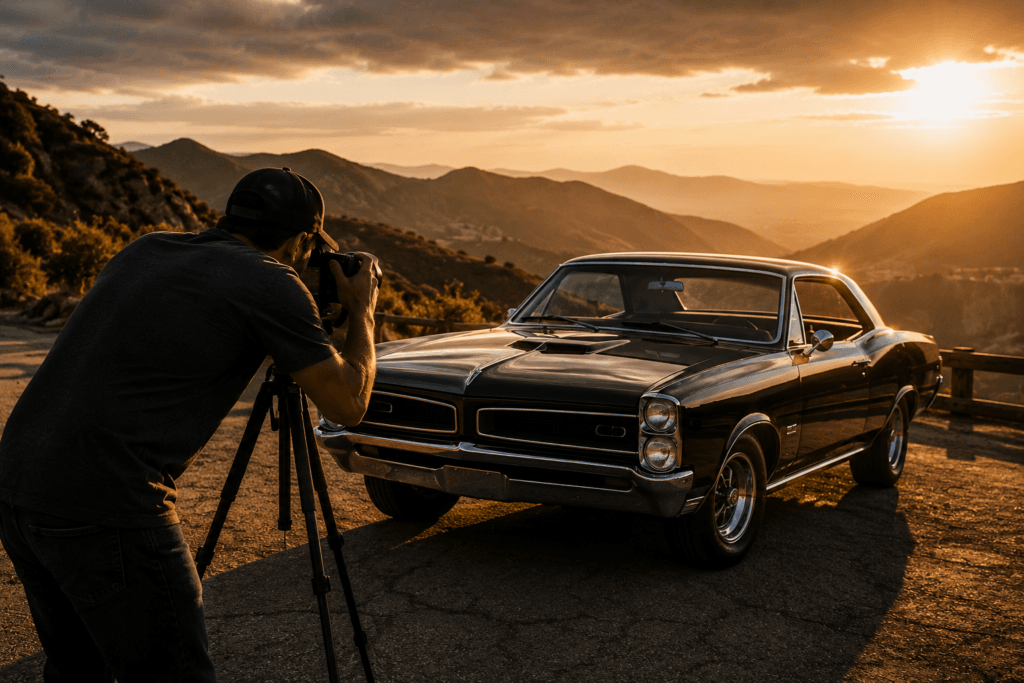
Golden-hour lighting is particularly popular among automotive photographers because it creates softer shadows and warm highlights. Low-angle sunlight can emphasize body contours while adding depth to the surrounding environment.
The changing light also gives photographers a limited window in which to capture a specific look. This can make the photography process more deliberate and artistic.
For classic vehicles, warm evening light can reinforce a sense of nostalgia. For modern vehicles, the same lighting can create a cinematic appearance that emphasizes sharp body lines and contemporary styling.
Motion Photography Captures The Spirit Of Driving
Automotive photography does not always require a stationary car. Motion photography can communicate the experience of driving and create a stronger emotional connection with the vehicle.
A photographer may capture a vehicle moving along an open road, entering a corner, traveling through a city, or driving across a scenic landscape. Motion blur can be used to emphasize speed while keeping the vehicle relatively sharp.
These images are different from the motorsports artwork discussed in our article about the influence of motorsports on automotive art. Instead of focusing on racing culture, automotive photography can capture the everyday experience of driving and the relationship between a vehicle and its surroundings.
The Road Becomes Part Of The Photograph
One of the most interesting aspects of automotive photography is the relationship between the car and its environment. A vehicle photographed on an empty desert highway tells a different story from the same vehicle photographed downtown at night.
Roads can communicate adventure, freedom, nostalgia, or modern urban life. Mountains can create a sense of exploration, while historic buildings can connect a vehicle to a particular period or architectural style.
This relationship between cars and landscapes is one reason automotive photography has become an important part of visual culture. The vehicle is no longer isolated from the world. Instead, it becomes part of a larger story.
Classic Cars And The Power Of Nostalgia
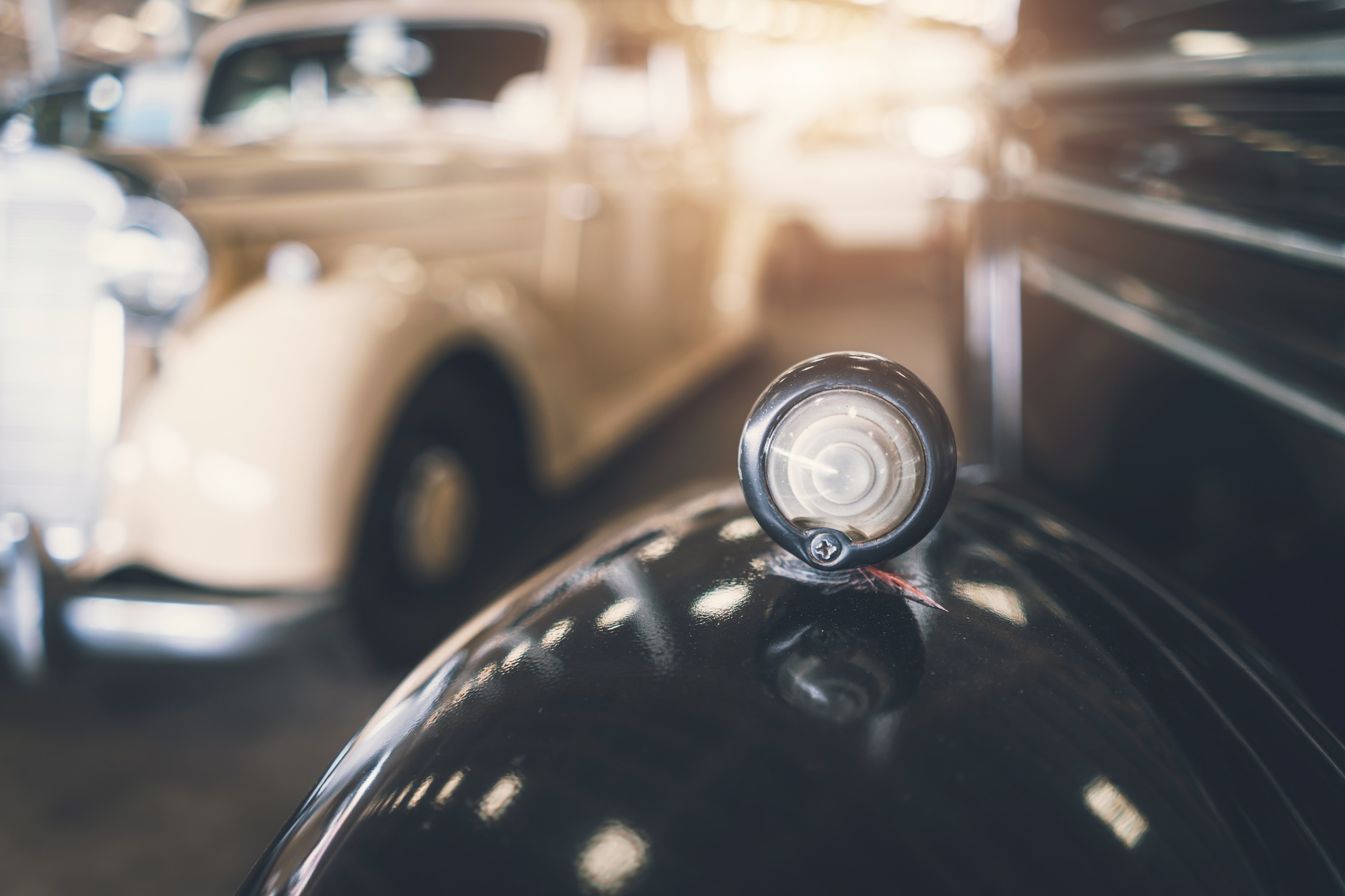
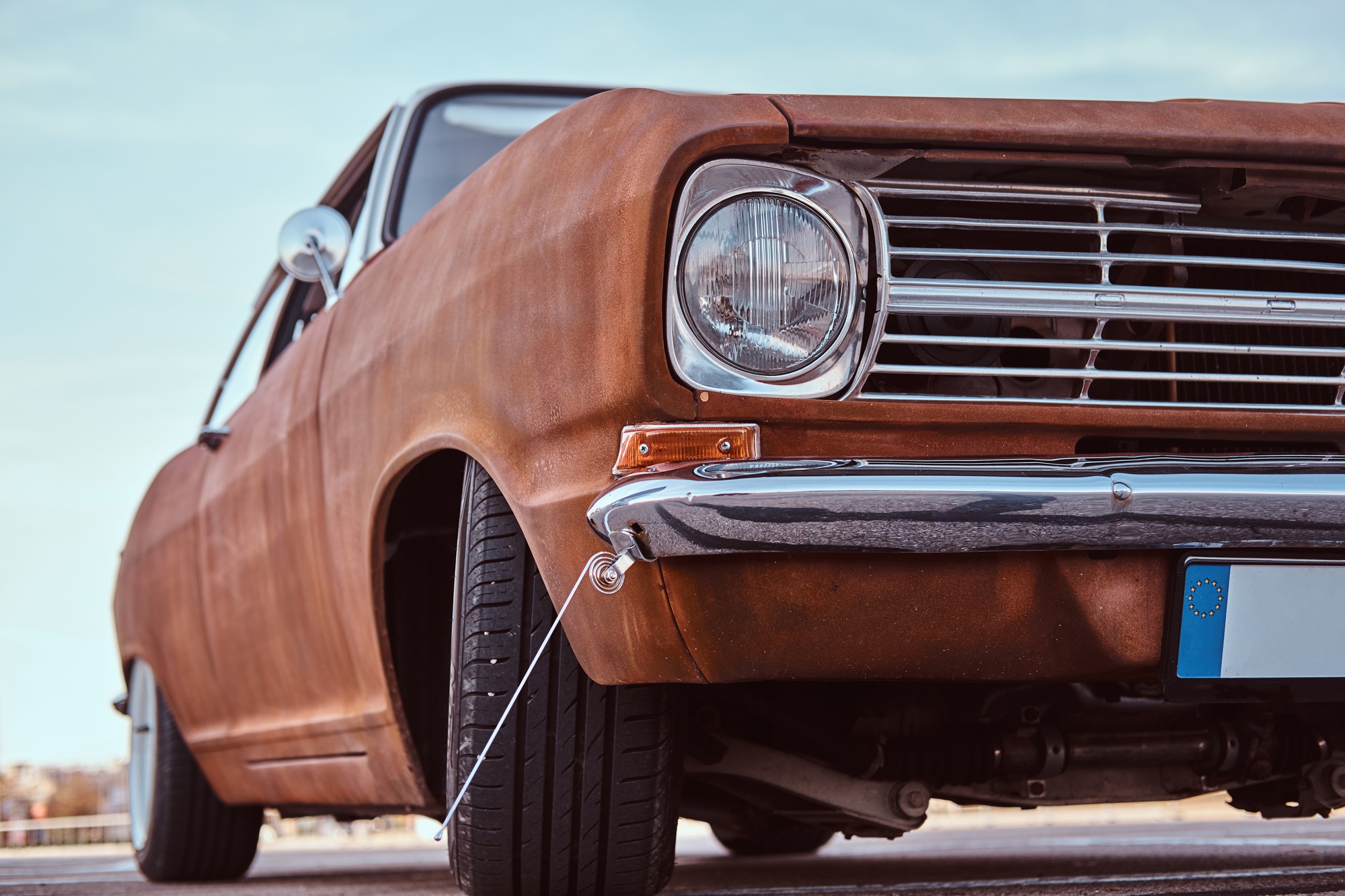
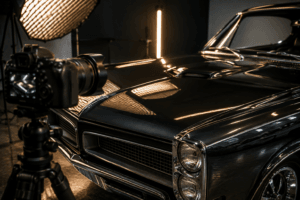 Classic automobiles are particularly powerful subjects for photography because they carry layers of history. Their shapes, materials, colors, and mechanical details can remind viewers of different eras.
A carefully photographed classic car can preserve details that may otherwise disappear over time. Photography can document original paint, aging chrome, interior materials, period accessories, and design features that distinguish one generation from another.
The Library of Congress maintains a large Prints and Photographs collection containing historical automobile images, providing researchers and enthusiasts with a window into how automobiles appeared throughout American history. Explore an early automobile photograph from the Library of Congress.
The Petersen Automotive Museum also maintains extensive automotive collections and has partnered on a major effort to digitize historic automotive photography. Its current content hub describes an archive containing more than one million historic images spanning decades of automotive culture. Explore the Petersen Automotive Museum content hub.
Automotive Photography As Collectible Art
Photography can become collectible artwork when the image has strong artistic direction, historical significance, or emotional value. Automotive photographs can be printed on archival paper, canvas, metal, or other materials and displayed alongside paintings and illustrations.
Collectors may choose photographs based on the vehicle, photographer, location, composition, or personal connection. Someone who owns a particular classic car may want a professional photograph that captures the vehicle at its best. Another collector might choose a photograph because it represents an important period in automotive history.
This creates an interesting connection between automotive photography and automotive art collecting. If you are building a collection, our guide on starting an automotive art collection on a budget provides another perspective on choosing artwork that fits your interests and space.
Choosing Automotive Photography For Your Space
When selecting automotive photography for a home, office, or garage, consider both the vehicle and the overall composition. A close-up detail photograph can work well in a minimalist room, while a dramatic road scene may suit a larger wall.
Black-and-white photography can create a timeless appearance, while colorful automotive photographs can add energy to a space. Vintage photographs can complement classic interiors, while contemporary images may work better with modern furniture and architecture.
Framing can also influence the appearance of the artwork. Simple black frames create a clean gallery aesthetic, while wooden frames can provide warmth and complement vintage automotive imagery.
The Future Of Automotive Photography
Technology continues to change automotive photography. High-resolution cameras, drones, computational photography, digital editing, and artificial intelligence tools are giving photographers new ways to create automotive images.
Digital tools can help photographers refine exposure, remove distractions, create composite scenes, and experiment with different visual treatments. However, technology does not replace the importance of composition and storytelling. A technically perfect photograph still needs a strong idea behind it.
Automotive photography may also become increasingly connected with digital automotive art. Photographers can combine real vehicles with digitally created environments, while artists can use photographs as foundations for illustrations and other creative projects.
Why Automotive Photography Will Remain Important
Cars continue to change, but the desire to document and celebrate them remains. Photography provides a way to preserve the appearance of vehicles while also capturing the culture surrounding them.
As automotive design moves from classic gasoline-powered vehicles toward electric vehicles, advanced technology, and new forms of mobility, photographers will continue documenting these changes. Future automotive photographs may become historical records just as today’s photographs of early automobiles are valuable records of the past.
Final Thoughts
Automotive photography sits at the intersection of cars, design, history, and art. It can document a vehicle accurately, but it can also transform that vehicle into a visual story through composition, light, motion, and atmosphere.
The best automotive photographs make viewers notice something they might otherwise overlook. They reveal the curve of a fender, the texture of a steering wheel, the reflection across a hood, or the relationship between a car and the road beneath it.
For automotive enthusiasts and art collectors, photography provides another way to celebrate the machines they love. Whether the subject is a historic automobile, a modern sports car, or an everyday vehicle captured in an unexpected setting, a great photograph can preserve more than the car itself. It can preserve a moment, a feeling, and a piece of automotive culture.
For more creative perspectives on automotive artwork, explore the evolution of automotive art from hand-painted to digital designs and discover how different artistic techniques continue to change the way we see automobiles.