
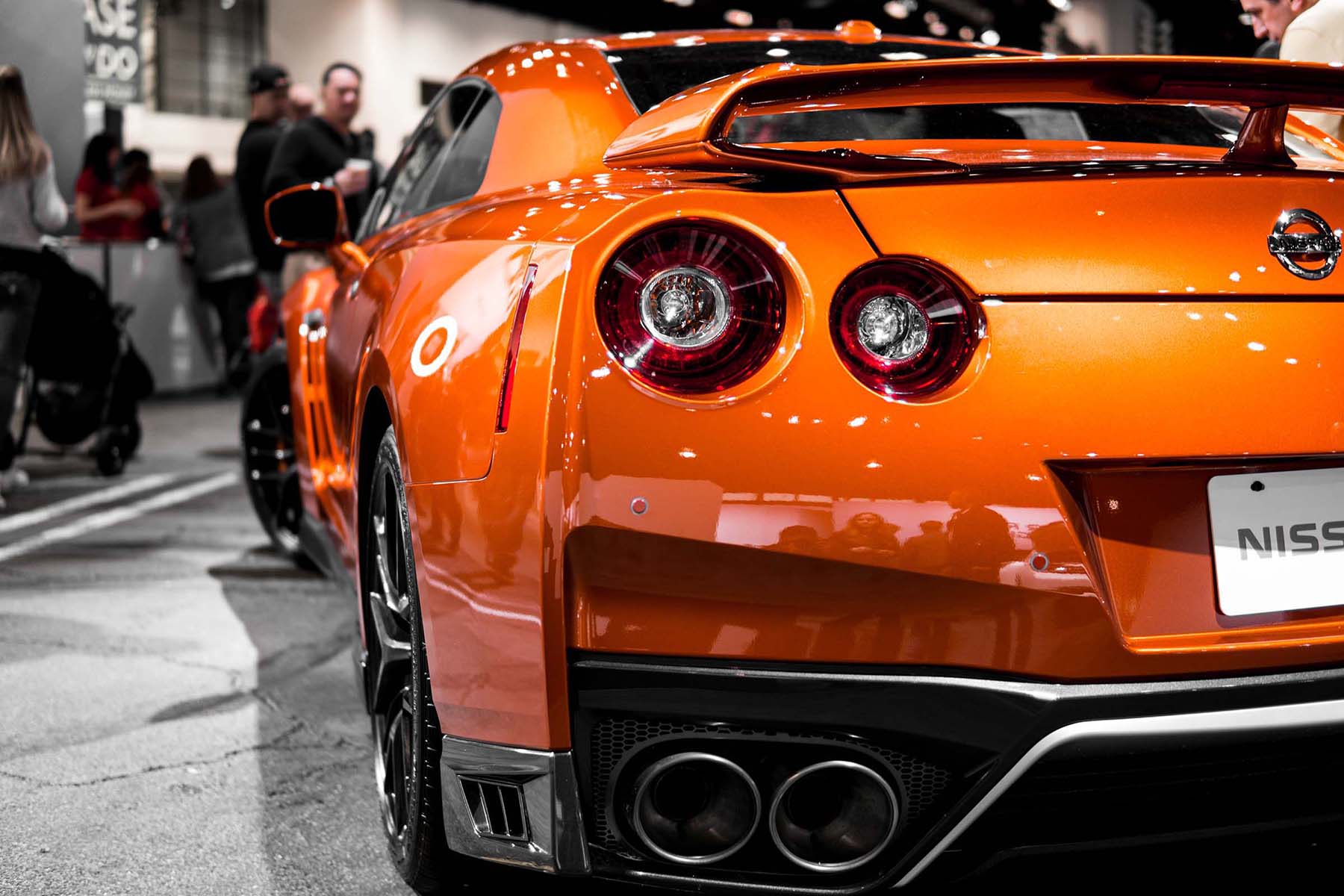
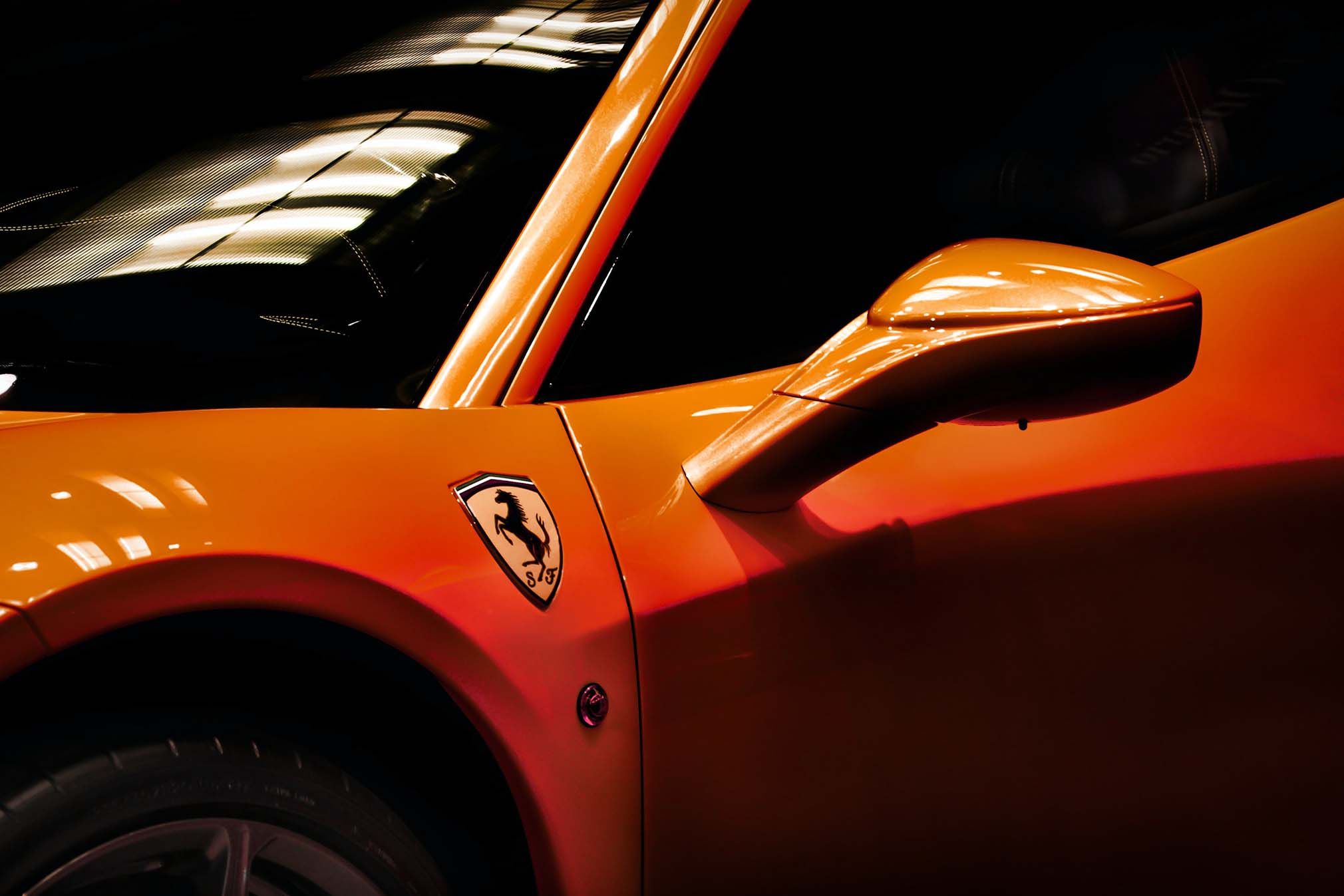
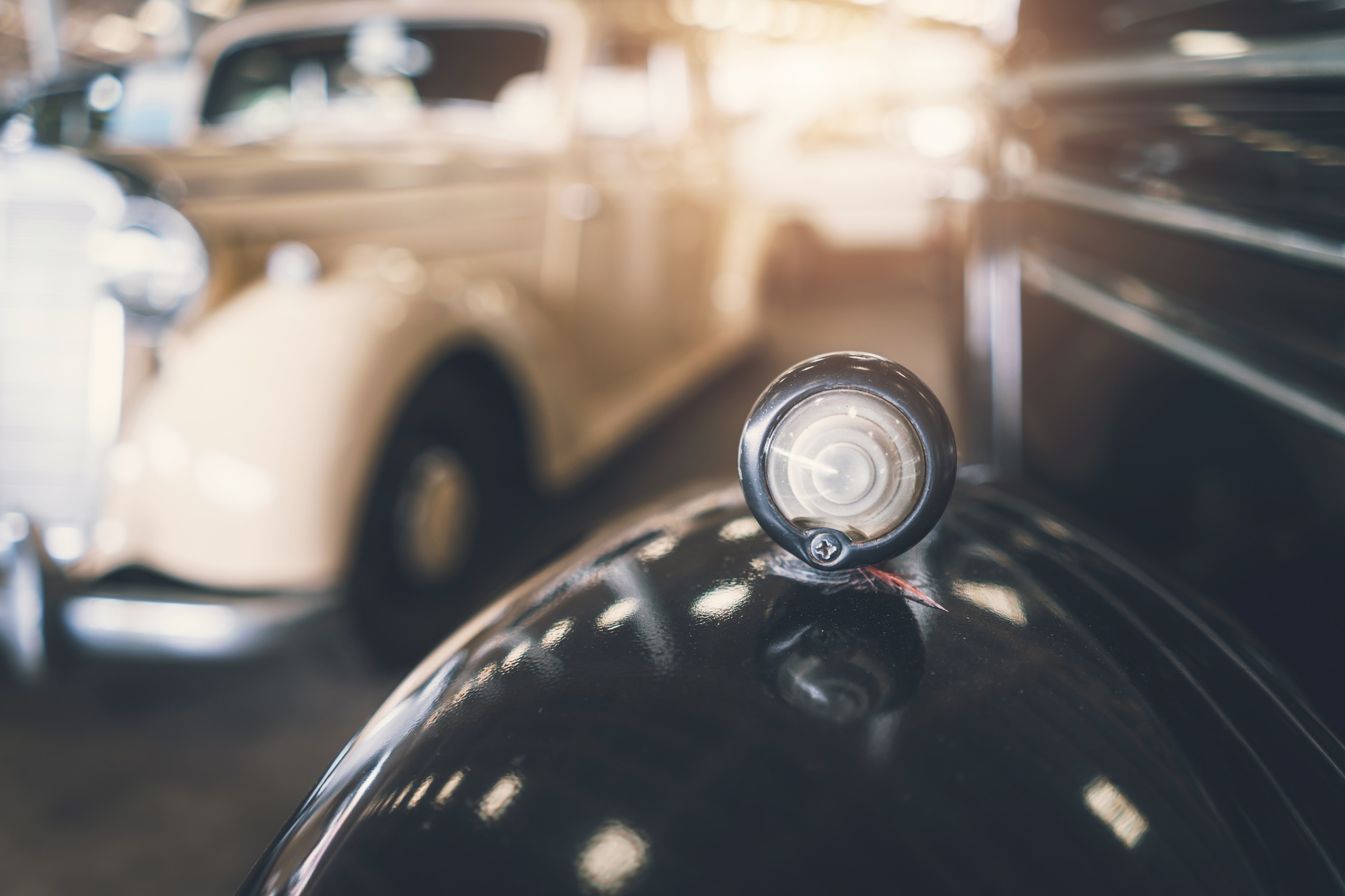
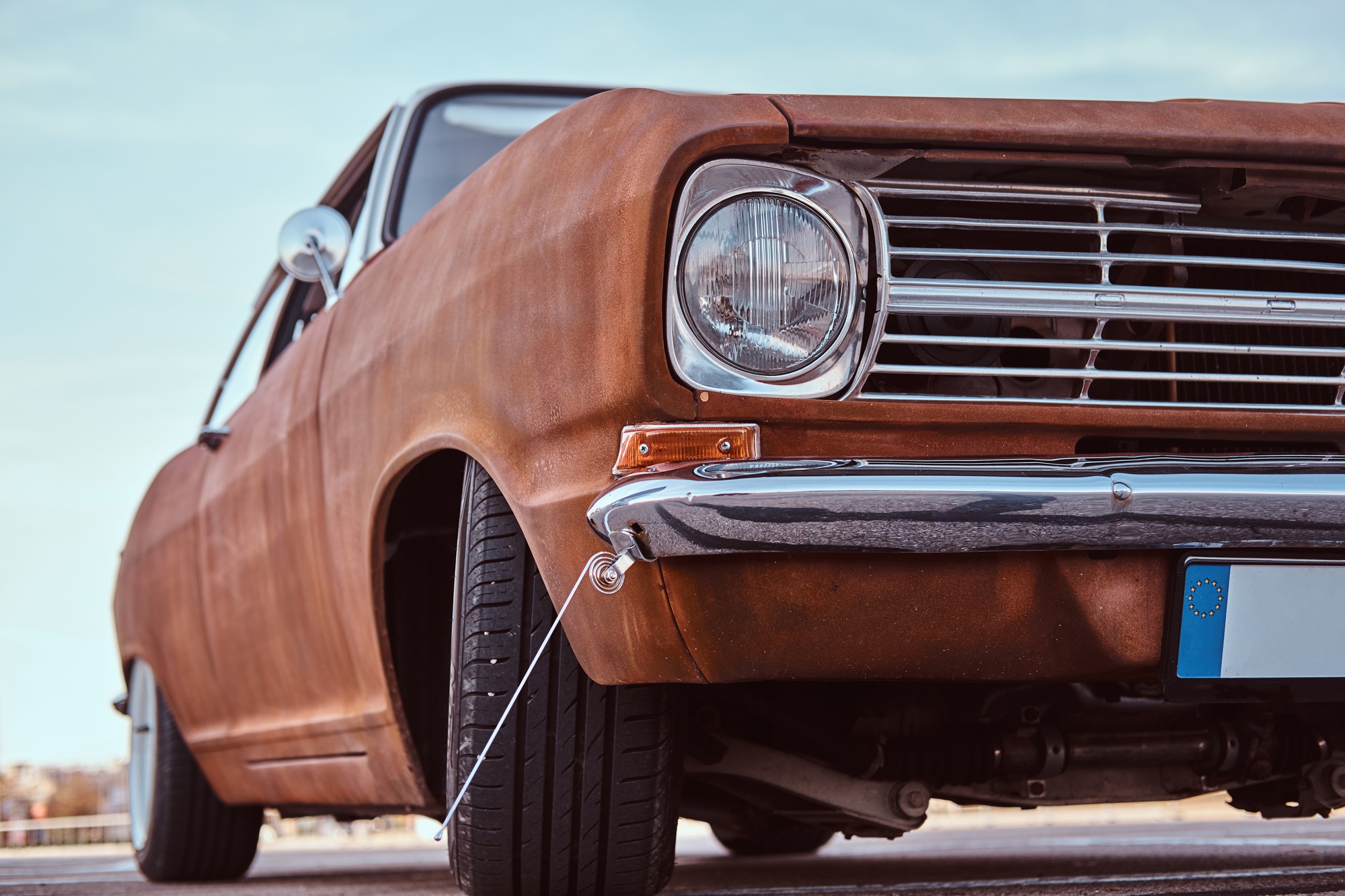
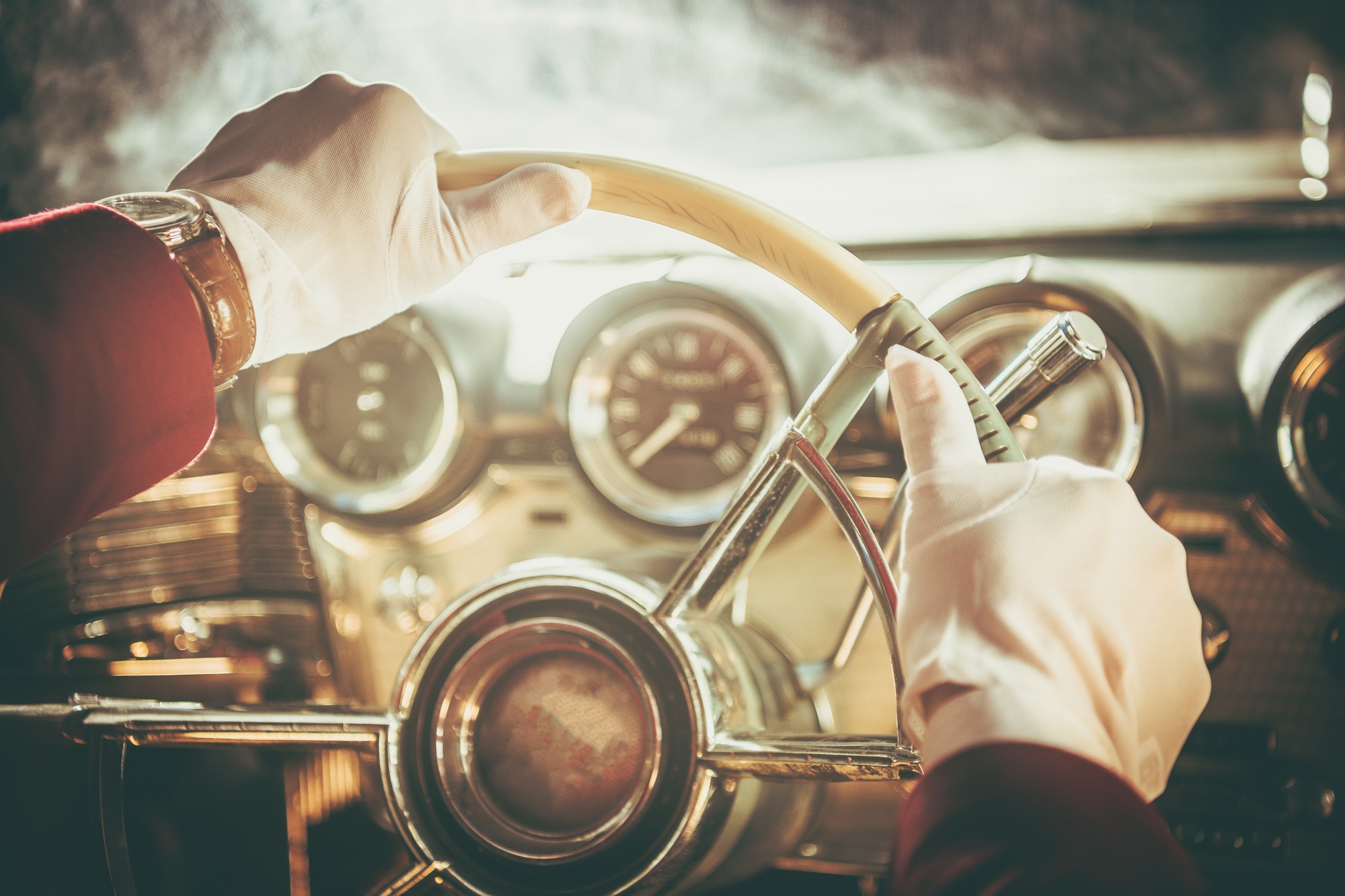
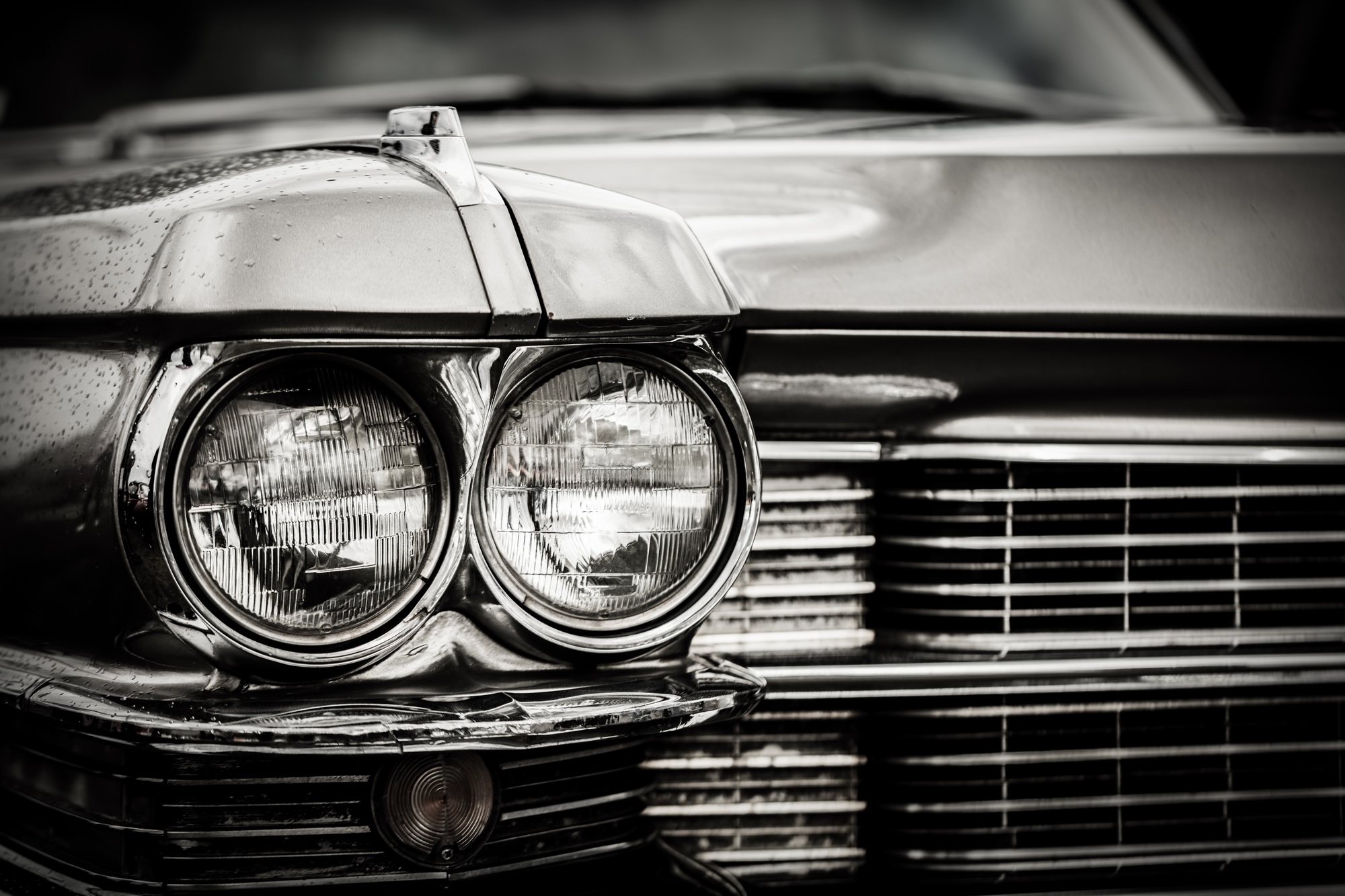
Classic car restoration is often considered a labor of love, where the goal is to breathe new life into vintage vehicles, preserving their history while making them functional once again. However, restoration is not just about fixing mechanical parts—it’s about restoring the soul of the car. And in many ways, it’s a form of art. The process of bringing a classic car back to life is not just about fixing what’s broken; it’s about creating a piece of history that can be appreciated for years to come. This blog post explores how classic car restoration and art intersect, highlighting the collaboration between restorers and artists to preserve and celebrate automotive history. Learn more about the importance of restoration techniques.
The Art of Classic Car Restoration
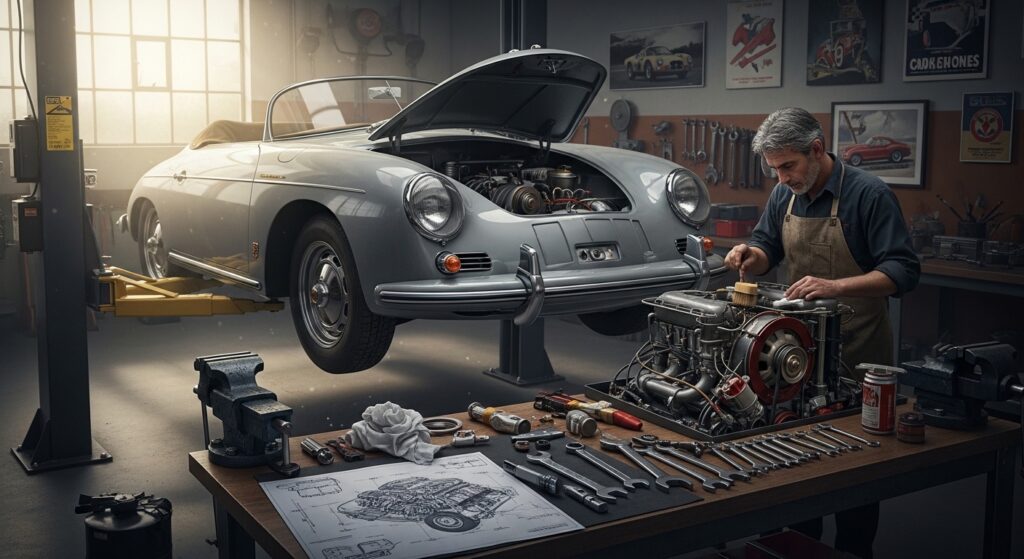
 Classic car restoration involves a detailed and meticulous process that requires not only mechanical expertise but also a deep appreciation for design and craftsmanship. While restoration often starts with the mechanical aspects—repairing or replacing parts that have worn out over time—it goes far beyond that. True restoration takes into account the car’s original design, the era it came from, and the way it was meant to be admired. It’s about preserving the car’s soul while updating it for modern standards.
The process begins with the disassembly of the vehicle, often starting with the engine and bodywork. Each part is carefully inspected, and those that have deteriorated or become too damaged are either repaired or replaced with original or reproduction parts. Restorers must know exactly what is true to the vehicle’s original design, as some models have specific characteristics that make them unique. This process can take months, even years, depending on the level of detail and precision involved.
After the mechanical and structural aspects are restored, the aesthetic aspects of the car are tackled. The bodywork is smoothed and polished, and any rust or imperfections are meticulously repaired. Then, the car is primed and painted to restore its original color, sometimes even enhancing its beauty with custom touches that elevate its appearance. When you see a beautifully restored car, you’re witnessing not just engineering precision, but a piece of art that tells a story of its own.
The Role of Automotive Artists in Restoration Projects
Restoration isn’t just about fixing the parts of a car that don’t work anymore—it’s about elevating the car into a work of art. In many cases, automotive artists are brought into the restoration process to add their creative touch, turning a vehicle into something truly unique. These artists specialize in areas like custom paint jobs, pinstriping, airbrushing, and more. Their goal is to make the car not only functional but visually striking.
When an automotive artist is involved in a restoration, they take the car’s original design into account but often bring in modern techniques or personal touches that make the car one-of-a-kind. Some artists work with the original paint schemes or designs, while others may give the car a complete overhaul with more artistic, contemporary designs that fit the vision of the car owner. Learn more about custom automotive paint jobs.
Artists may also be asked to design custom interiors, focusing on materials, colors, and details that complement the car’s exterior design. For instance, luxury cars may have leather upholstery with hand-stitched details, and the seats or dashboard may incorporate unique patterns or designs that reflect the owner’s tastes or the car’s era.
This artistic collaboration between restorers and artists is where the true beauty of a classic car restoration lies. It’s not just about fixing the car—it’s about elevating it to an art form that can be admired for both its historical value and its artistic merit.
From Restoration to Masterpiece: The Finished Product
The final product of a classic car restoration project is often a stunning masterpiece. It’s a vehicle that blends engineering, history, and art in a way that not only preserves its original beauty but enhances it. When a restored car rolls out of the garage, it’s more than just a restored vintage machine; it’s a piece of living automotive history. Restorers and artists have breathed new life into a classic car, making it functional and beautiful once again.
The restoration process often results in cars that not only perform as good as they did when they were first built but look even better. A beautifully restored car is a combination of new parts and original craftsmanship, and when it’s paired with custom paintwork, artwork, or interior detailing, it becomes more than just a car—it becomes an automotive sculpture, meant to be admired from every angle. See stunning classic car restorations here.
Once the restoration is complete, the car may be displayed at shows, in museums, or in private collections. It’s often showcased in exhibitions of vintage cars, allowing others to appreciate the artistry that went into the restoration. For some, these restored cars may even be used for daily driving, giving them the chance to experience the legacy of these classic vehicles while showing off their unique beauty. But whether they are driven or displayed, restored classic cars are appreciated as works of art by both car enthusiasts and the public alike. Check out car shows and restoration events.
The Growing Trend of Custom Restorations
As automotive culture continues to evolve, so does the world of classic car restoration. In the past, restorations were largely about returning a vehicle to its original condition. Today, however, custom restoration projects are becoming more popular. Many car owners choose to modify certain aspects of their classic cars to fit their personal style, even while preserving the car’s authenticity.
Some of these customizations involve modern technologies that were not available when the cars were originally designed, such as advanced sound systems, modern engine components, and improved suspension systems. Artists may also add custom paint jobs, graphics, or unique touches that reflect the personality of the car’s owner. The goal is still to maintain the vehicle’s historical integrity, but now there’s more freedom to enhance the car with modern or artistic elements that make it stand out. Learn more about the latest trends in automotive restoration.
This growing trend reflects a shift in the way we view classic cars—not just as historical artifacts, but as living, breathing works of art that can evolve with the times while still honoring their roots.
Preserving Automotive History Through Restoration
Classic car restoration is about more than just creating beautiful vehicles—it’s about preserving a part of history. Each car represents a different era in automotive design, from the sleek lines of 1950s sedans to the bold curves of 1960s muscle cars. Restoring these vehicles helps maintain the history of the automotive industry and gives future generations a glimpse into the past.
Through restoration, we keep alive the stories of the cars that changed the world—whether it’s the car that revolutionized manufacturing or the model that became a symbol of freedom on the open road. By combining technical expertise with artistic vision, classic car restoration ensures that the vehicles of the past continue to inspire the automotive artists and engineers of the future. Read about how classic cars continue to inspire modern designs.
The Future of Classic Car Restoration and Art
 As technology advances, so does the world of classic car restoration. Today, restorers have access to new tools, materials, and techniques that allow them to be more precise and creative than ever before. Technologies like 3D scanning and printing, for example, have made it easier to replicate parts that are no longer available, ensuring that the car’s authenticity is maintained while enhancing its performance.
The future of classic car restoration will likely see more collaborations between artists and restorers, with a greater emphasis on customization and modern touches. Restoration projects will continue to preserve the history of these cars, while artists will push the boundaries of creativity, finding new ways to integrate art and technology into the restoration process.
The blending of automotive restoration and art will continue to captivate car enthusiasts and artists alike, ensuring that classic cars remain timeless treasures that can be enjoyed for generations to come.
If you’re passionate about classic cars and automotive art, why not start your own restoration project? Whether you’re restoring a car for personal enjoyment or as a work of art, the process is sure to be rewarding.
For more on the art of classic car restoration, check out our automotive art collection and learn how we celebrate the beauty of vintage vehicles.