
Color is not just an aesthetic choice when it comes to automotive art; it’s a powerful means of personal expression. From the bold hues of muscle cars to the sleek, subdued tones of luxury vehicles, the color of a car can say a lot about the person driving it. Automotive art has evolved beyond simple depictions of vehicles into a means of showcasing identity, style, and personality. In this blog post, we’ll explore how paint choices reflect personality in automotive art and why color matters in customizing cars.
The Psychology of Color in Automotive Art
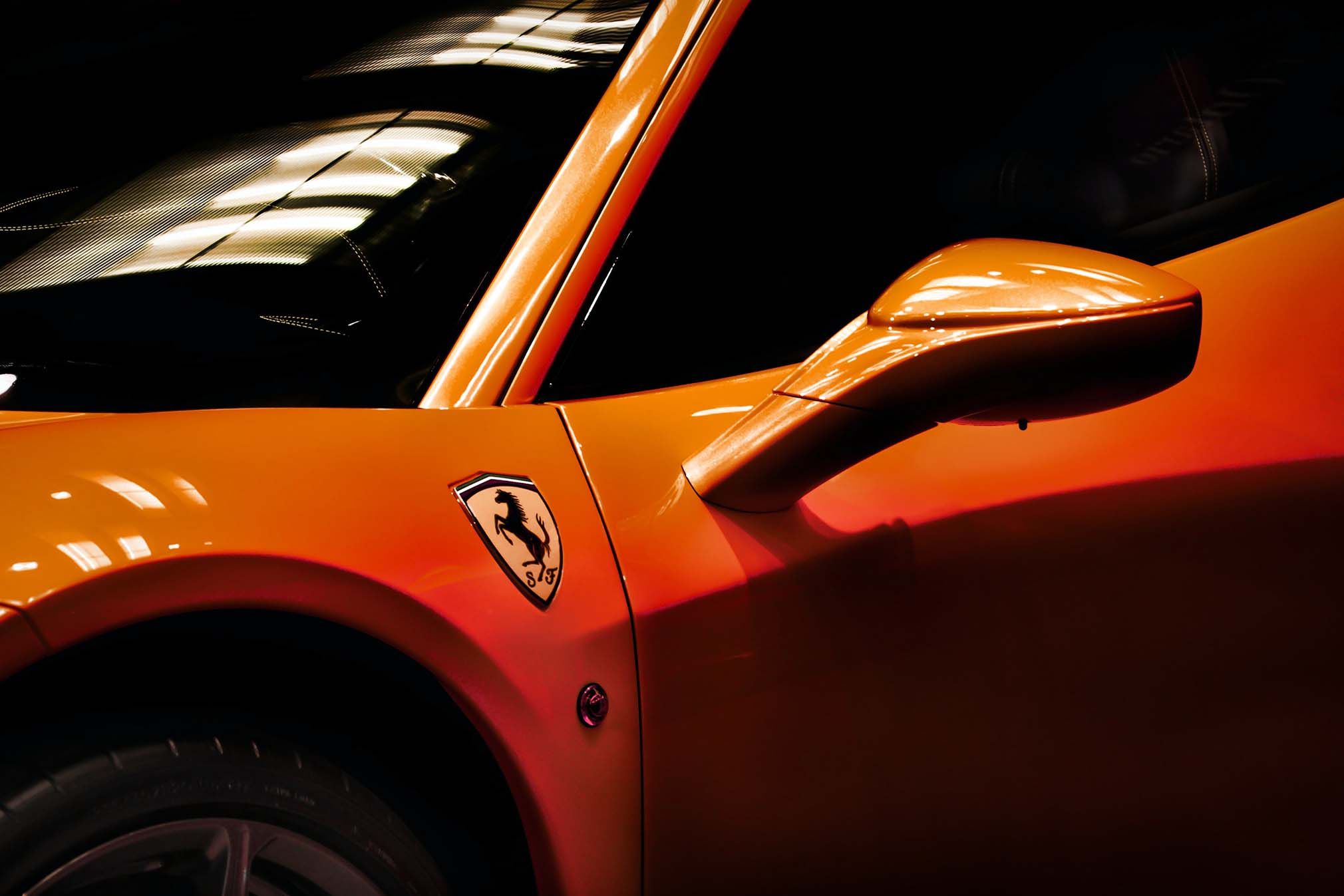
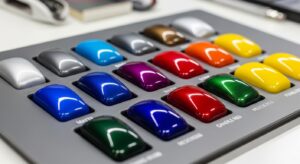 The psychology of color plays a significant role in automotive art. Different colors evoke different emotions and carry distinct meanings. For instance, red is often associated with power, passion, and speed, making it a popular choice for performance cars. On the other hand, black exudes sophistication, elegance, and luxury, making it a go-to color for high-end vehicles. Blue, often linked to calmness and trust, can be seen in both sporty cars and sedans, as it conveys reliability.
Colors can also reflect a person’s personality. A vibrant, neon paint job may signify someone with a bold and outgoing personality, while a classic, neutral color like white or silver might indicate a more reserved individual. The choice of color is not only about making a car stand out—it’s about aligning the vehicle’s appearance with the driver’s identity. Learn more about the psychology of color in design.
Custom Paint Jobs: More Than Just Color
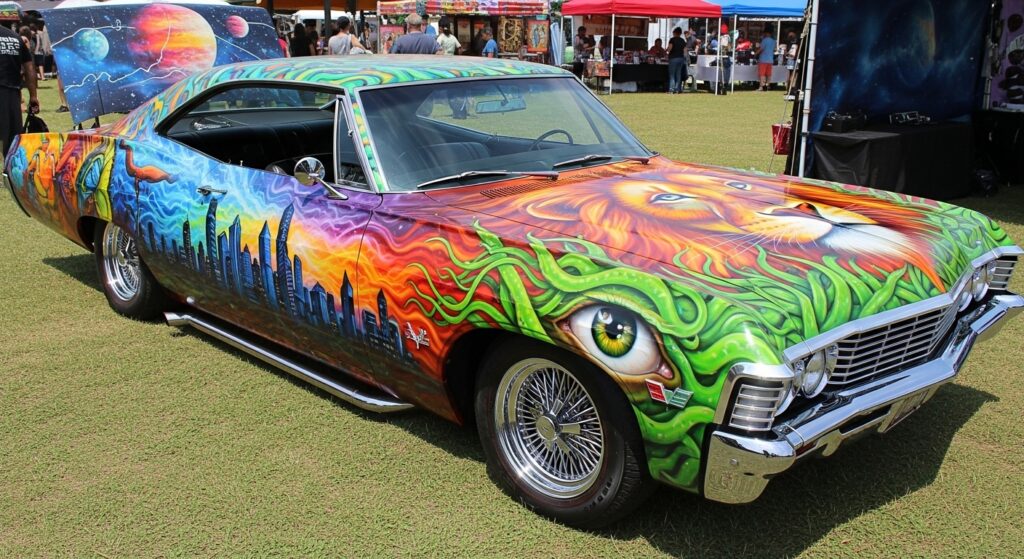
Custom paint jobs go beyond choosing a basic color. They involve intricate designs, patterns, and finishes that can transform a car into a moving canvas. Many car enthusiasts opt for personalized paint jobs that feature graphics, pinstripes, or even airbrushed artwork that tells a story or showcases personal interests.
For example, some car owners choose flames or racing stripes to emphasize the vehicle’s power and speed. Others might incorporate intricate designs that reflect their personal passions—such as vintage car advertisements, favorite sports teams, or even abstract art. These customizations make the vehicle truly one-of-a-kind, allowing the owner to express their individuality through their car’s exterior.
Custom colors also allow for more creativity. Matte finishes, pearlescent effects, and color-shifting paint are just a few examples of how artists and car owners are pushing the boundaries of traditional automotive art. These advanced techniques allow for unique paint jobs that can appear to change depending on the angle of the light or the viewing distance, adding another layer of artistic depth to the car’s exterior.
How Paint Reflects Car Culture
Car culture is deeply rooted in a sense of individuality, and the choice of paint color is a direct reflection of this culture. In the automotive world, paint jobs are an expression of identity. Whether it’s a car enthusiast choosing a retro color scheme for a restored classic or a collector opting for a bright, attention-grabbing hue, paint serves as a vehicle for personal expression. Explore how car culture drives restoration trends.
In some cases, car culture goes beyond the individual, reflecting larger movements or communities. For instance, certain colors and patterns have become associated with particular subcultures within the car community. The lowrider culture, for example, is known for its use of vibrant, custom colors and elaborate paint jobs, often incorporating gold leaf or metallic details to give the cars a flashy, artistic look.
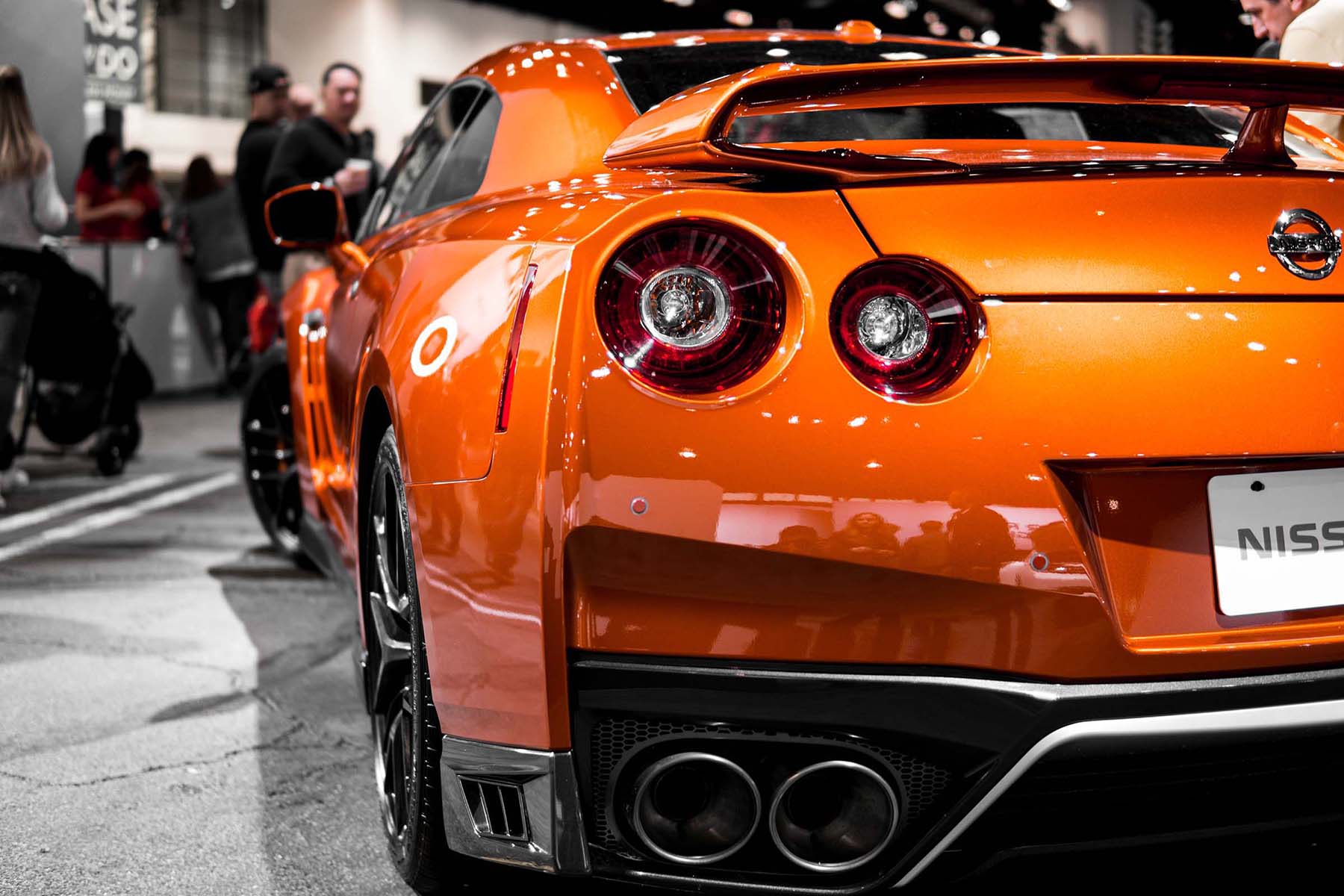
Similarly, classic muscle car enthusiasts may choose bold colors like red, orange, or yellow to evoke the powerful, raw energy of 1960s and 1970s performance vehicles. These colors not only reflect the car’s power but also symbolize the owner’s connection to the rich history of American muscle cars. Learn more about muscle car restoration and culture.
Beyond the Vehicle: Color in Car Shows and Exhibitions
Car shows and exhibitions are great opportunities for automotive artists and enthusiasts to showcase their vehicles and the paint choices that reflect their personalities. At these events, color plays a crucial role in drawing attention and making a statement. Judges and attendees often appreciate a vehicle that’s not only mechanically impressive but also visually striking. Discover upcoming car shows and exhibitions.
Paint color is one of the first things people notice at car shows. Whether it’s a custom-mixed shade or a rare factory color, the paint job sets the tone for the entire car. In some cases, the car’s paint job may be the focal point of the restoration, with other modifications complementing the artistic design of the vehicle’s exterior.
In car culture, the choice of color at a car show can also reflect a sense of pride and personal achievement. A custom paint job is often seen as a labor of love, showcasing the owner’s attention to detail and passion for their car. It’s a form of self-expression that resonates with fellow car enthusiasts who understand the time, effort, and creativity involved in creating a unique, personalized vehicle.
The Future of Automotive Paint: Trends in Automotive Art
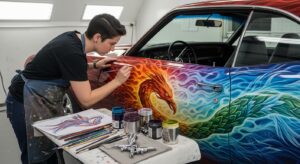 As automotive technology evolves, so do the possibilities for car customization, particularly in the realm of paint. New innovations in automotive paint are pushing the boundaries of what’s possible. Color-shifting paint, which changes hue depending on the angle of the light, has become a popular choice for those looking to make a bold statement. This type of paint is highly reflective and can give the vehicle a dynamic, ever-changing look.
Other emerging trends in automotive paint include matte finishes, which provide a sleek, modern appearance that contrasts with traditional glossy paint. This trend has been adopted by car owners looking for a more understated, sophisticated look for their vehicles. Additionally, advances in eco-friendly paints and coatings are leading to more sustainable options for car customization, with some manufacturers offering water-based paints that are less harmful to the environment. Check out the latest car paint trends here.
As the automotive industry continues to innovate, we can expect even more advancements in car paint technology. Future developments might include self-healing paint that repairs minor scratches or dents automatically or color-changing vehicles that can shift hues based on the driver’s preferences. The future of automotive paint is as bright and colorful as the vehicles it adorns.
How to Choose the Right Color for Your Car
Choosing the right color for your car is a personal decision that depends on several factors, including your personality, style preferences, and the type of vehicle you own. If you’re considering a custom paint job, here are a few tips to help you select the right color:
- Consider your personality: Do you want your car to stand out with bold, bright colors, or do you prefer a more understated, classic look?
- Think about the car’s history: Classic cars often look best in original colors that reflect their era. Custom paint jobs can be a great way to update a vintage vehicle without losing its character.
- Match the color to your car’s design: Some colors look better on certain vehicle types. For example, a sleek sports car might benefit from a glossy red or metallic finish, while a luxury sedan may look best in silver or black.
If you’re unsure about which color to choose, consulting with a professional automotive artist can help guide you in the right direction. They can offer advice on what will work best for your car’s design and your personal preferences.
For more on the role of color in automotive art, check out our automotive art collection.